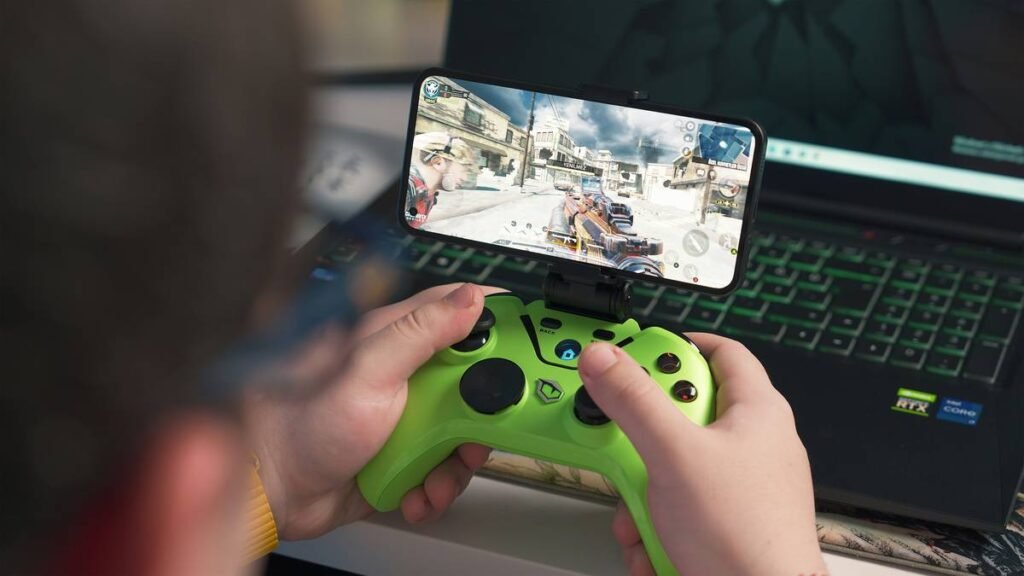
You open your phone during a coffee break. Five minutes turns into 45. You tell yourself it’s harmless—just a casual phone game. But those free-to-play icons? They’re engineered traps. Designed to drain attention, patience, and yes—real money. The solution isn’t quitting cold turkey. It’s playing smarter.
The Illusion of “Free” in Casual Phone Gaming
Most players assume casual mobile games are cost-free entertainment. Wrong. The business model runs on psychological friction—not upfront fees. Developers use variable rewards, artificial scarcity, and social pressure loops that feel organic but are meticulously coded.
And here’s the kicker: the heaviest spenders aren’t whales with deep pockets. They’re everyday users tricked into $3 here, $5 there—until it totals hundreds annually without a single receipt.
How to Play Casual Phone Games Without Getting Played Back
Identify the Manipulation Mechanics
Energy systems that lock you out after three levels? Timers that force waiting unless you pay? These aren’t bugs—they’re behavioral hooks. Recognize them early. If a game feels like work disguised as fun, walk away.
Set Hard Boundaries (Time + Spend)
Use your phone’s built-in screen time tracker. Assign a weekly limit—say, 90 minutes—for all casual gaming. And never link a payment method directly to your app store account for these apps. Friction = protection.
Choose Games That Respect Your Intelligence
Not all casual titles are predatory. Some prioritize clever design over compulsive spending. Look for flat pricing, no ads, or optional one-time purchases. Bonus: they often have better replay value.

| Game Type | Avg. Weekly Time Sink | Hidden Cost Risk | Player Retention Tactic |
|---|---|---|---|
| Match-3 Puzzle (e.g., Candy-style) | 5–7 hours | High | Artificial level failure + boosters |
| Idle Clickers | 2–3 hours (but constant check-ins) | Extreme | FOMO-driven progression decay |
| Word/Trivia (no timers) | 1–2 hours | Low | Genuine skill & daily streaks |
| Hybrid Card Battlers | 4+ hours | Very High | Pity systems & gacha mechanics |

The Industry Secret No One Talks About
Top studios A/B test not just UI layouts—but player frustration thresholds. They measure exactly how many failed attempts make you tap “Buy Continue” versus quit. Their ideal drop-off point? Right before rage-quitting… but after emotional investment peaks.
Think about it: if you’ve spent 20 minutes failing Level 87, your brain treats progress as equity. And equity demands protection—even if it costs $2.99. That’s not gameplay. That’s behavioral arbitrage.
Frequently Asked Questions
Are casual phone games really addictive?
Yes—by design. They leverage intermittent reinforcement (like slot machines), not narrative or challenge. Your dopamine hits are scheduled by algorithms, not gameplay depth.
Can I enjoy casual games without spending money?
Absolutely. Stick to titles with upfront pricing or ad-supported models where skipping is optional. Avoid anything with stamina systems or loot boxes.
How do I spot a predatory casual phone game?
If the game pressures you to pay within the first 15 minutes—or uses countdown timers blocking progress—it’s built to extract, not entertain.