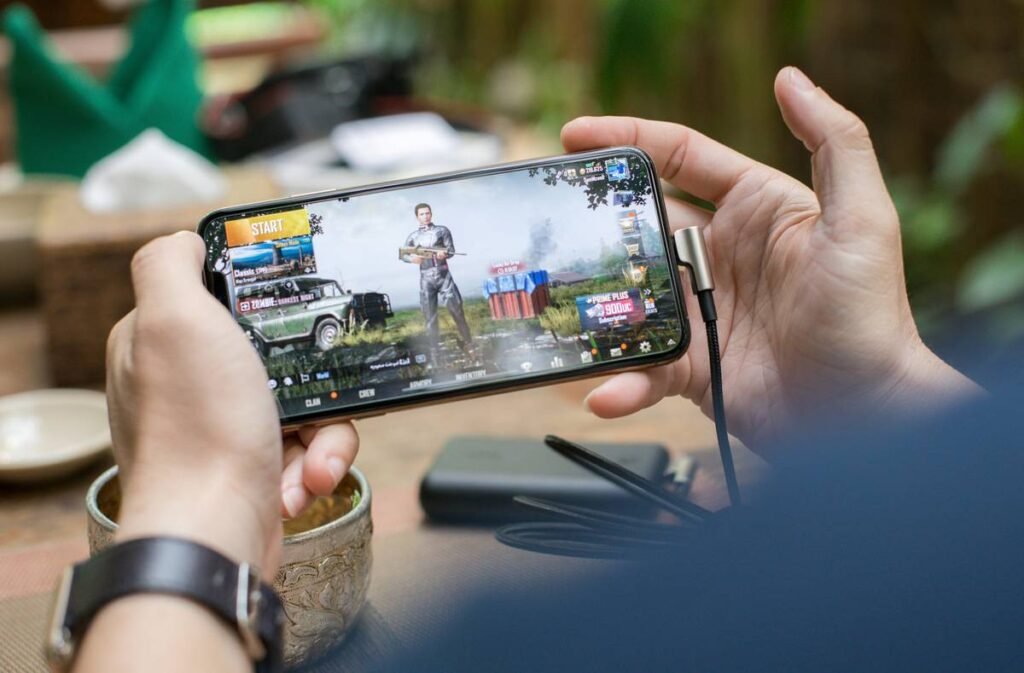
You’re stuck. Waiting for a bus. Trapped in a boring meeting. Or just scrolling endlessly with nothing to do. The minutes crawl. Your brain itches for stimulation—but not something demanding. Not another battle royale or gacha grind. You need a quick spark. A mental reset. And that’s where most “time killer” apps fail. They promise distraction but deliver frustration or fatigue. Here’s the fix: boredom killer casual games that respect your time, attention span, and sanity.
Why Most “Quick Play” Mobile Games Don’t Kill Boredom—They Amplify It
Developers love calling their titles “perfect for short breaks.” But look closer. Many hide aggressive monetization behind cute art. Stuck watching three ads just to continue? Forced to wait six hours unless you pay? That’s not easing boredom—it’s replacing it with irritation. Worse, some games masquerade as casual while demanding daily logins, energy systems, or complex progression loops. Real boredom relief should feel frictionless. Instant. Light.
And let’s be honest—your tolerance for nonsense plummets when you’re already bored. One tap should equal one satisfying interaction. Not a tutorial. Not a survey. Just play.
How to Pick (and Play) the Right boredom killer casual Games
Forget algorithmically promoted junk. Use this filter instead:
Look for True Session Autonomy
The best casual games let you start and stop instantly. No save points. No campaign mode. Think Stumble Guys rounds or Stack Jump runs—complete experiences in under 90 seconds. If you can’t finish a meaningful loop before your coffee cools, skip it.
Avoid Hidden Complexity
Simple mechanics ≠ simple design. Some games bury depth under layers of upgrades, currencies, or meta-progression. Great boredom killers stay shallow by intention. Like Tetris or 2048. Easy to grasp. Hard to master—but mastery isn’t required to enjoy a 30-second burst.
Ad Load Matters More Than You Think
Interstitials between levels? Fine. But forced video rewards every 60 seconds? Exhausting. Prioritize games that offer a one-time ad-free purchase under $3. Often worth it for peace of mind alone.

| Game Type | Session Length | Monetization Intrusiveness | True Casual Score (1–5) |
|---|---|---|---|
| Hyper-casual (e.g., Dodge Roll) | 15–45 sec | High (forced ads) | 2 |
| Puzzle-lite (e.g., Brain Test) | 30–90 sec | Medium (optional hints) | 4 |
| Idle/Tapper (e.g., Egg Inc.) | Variable | Low (passive) | 3 |
| Classic Remakes (e.g., Solitaire Cruise) | 2–5 min | Very Low | 5 |

The Industry Secret: “Boredom Optimization” Is a Deliberate Design Strategy
Here’s what studios won’t tell you: top-performing casual games are engineered around cognitive micro-windows. Not engagement hours—engagement *seconds*. They use what psychologists call “closure triggers”: visual or audio cues that signal task completion even if the game continues. A satisfying *pop*. A clean animation. A subtle chime. These tiny moments trick your brain into feeling accomplished—releasing dopamine without needing progression. That’s why games like Project Makeover or Goosebumps-style match-3 hybrids feel so addictive yet lightweight. They’re not filling time—they’re hacking your reward system in under 20 taps. Smart? Absolutely. Ethical? Debatable. But undeniably effective.
Frequently Asked Questions
What makes a mobile game truly “casual”?
A true casual game requires zero prior knowledge, offers instant gameplay, and doesn’t punish you for quitting mid-session. If you need a strategy guide, it’s not casual.
Are free boredom killer casual games safe?
Most are—but check permissions. Avoid any requesting unnecessary access (like contacts or SMS). Stick to publishers with strong app store ratings and clear privacy policies.
Can these games improve focus or mood?
Briefly, yes. Simple pattern recognition or hand-eye coordination tasks can reset mental fatigue. But only if the game itself isn’t stressful. Avoid competitive leaderboards during downtime.