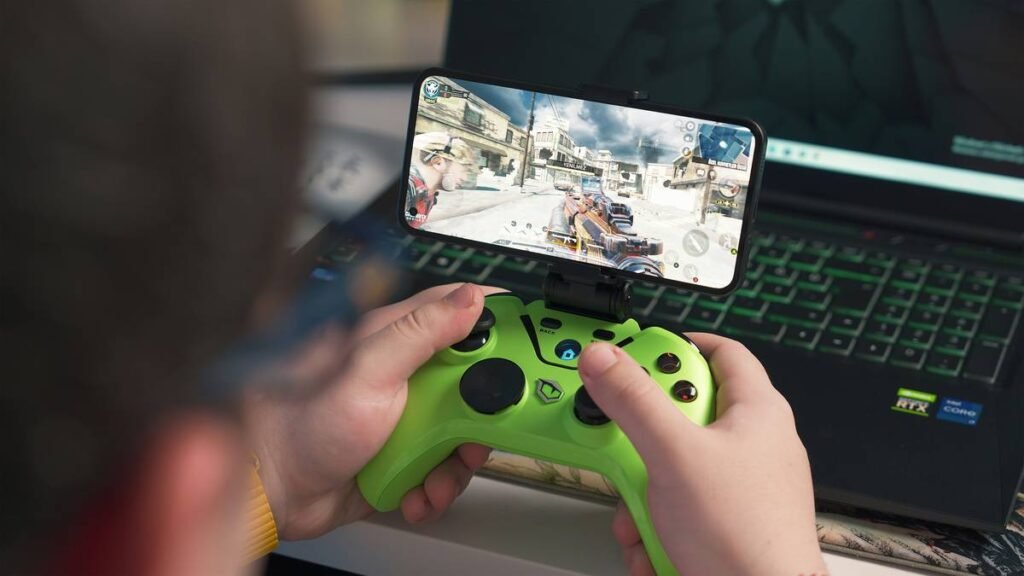
Most mobile gamers feel overwhelmed by complex controls, pay-to-win traps, and bloated downloads. And yet—they keep tapping. Why? Because phone gaming casual offers a frictionless escape. But not all casual games are created equal. The real solution isn’t just finding games—it’s mastering how to play them smarter.
The Illusion of “Easy” Games
Casual doesn’t mean mindless. Many developers exploit short attention spans with addictive loops disguised as fun. You tap for 30 seconds—then hit a wall of ads or in-app purchases. Frustrating. Wasteful. The core problem? Most players treat casual games like disposable snacks. But here’s the reality: the best experiences come from intentional engagement, not passive scrolling.
Think about it. Would you spend hours watching TV with no plot? No. So why accept shallow gameplay?
How to Master phone gaming casual Without Losing Your Mind
It starts with curation—not consumption. Stop downloading every top-chart title. Start filtering based on three non-negotiables: minimal ads, offline play, and session-based progression.
Filter by Ad Load
A game with rewarded videos every 90 seconds isn’t free—it’s time-brokered. Prioritize titles offering optional ad rewards without forced interruptions.
Offline Capability Matters
If your subway ride kills your progress, that game fails the casual test. True casual design respects intermittent connectivity.
Session-Based Progression
You shouldn’t need daily logins to avoid losing everything. Look for games where each session stands alone—or builds gently over time.
| Game Type | Avg. Session Time | Ad Frequency | Offline Play? | Ideal For |
|---|---|---|---|---|
| Puzzle (e.g., match-3) | 4–7 min | Low (optional rewards) | Yes | Quick mental resets |
| Idle/Incremental | 1–2 min check-ins | High (forced after X min) | Sometimes | Background gratification |
| Hyper-Casual (e.g., stack/run) | Under 60 sec | Very High (pre-roll + mid-roll) | Rarely | Boredom bursts (use sparingly) |
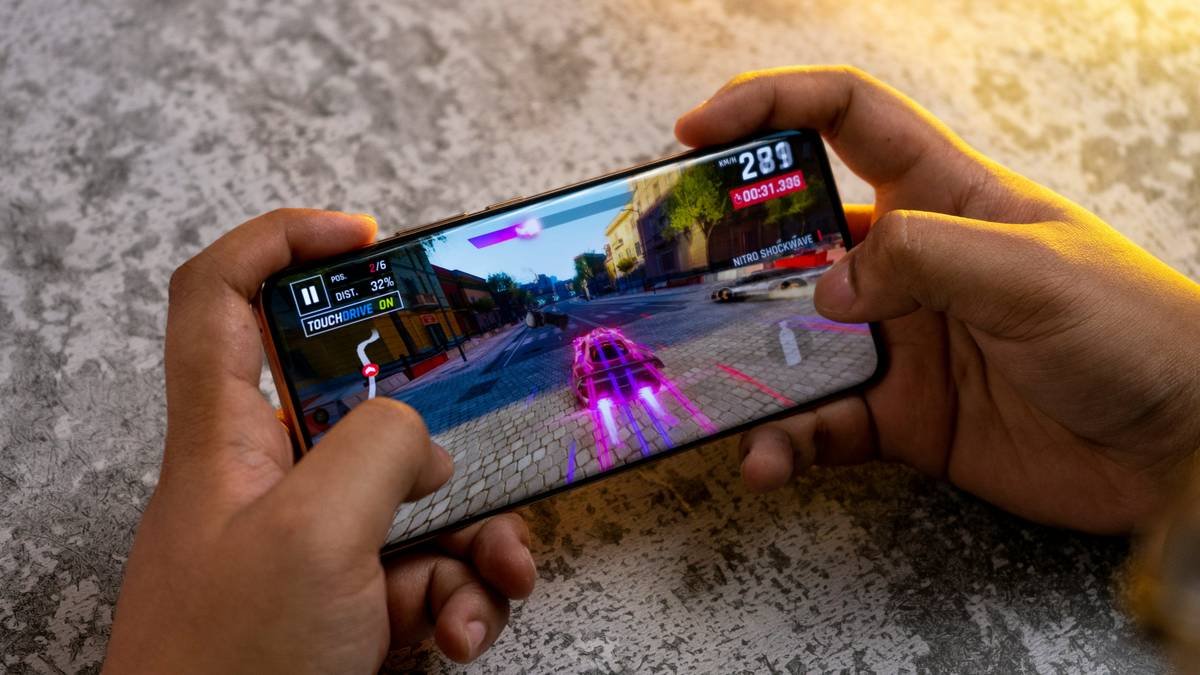
The Industry Secret: Developers Design for Retention, Not Joy
Here’s what studios won’t tell you: many “casual” games are engineered using behavioral psychology borrowed from slot machines. Variable reward schedules. Loss aversion triggers (“Your farm will wilt in 2 hours!”). It’s not entertainment—it’s manipulation dressed as play.
But there’s a quiet counter-movement. Indie devs like those behind Alba: A Wildlife Adventure or Paper Toss prove that simplicity + soul = longevity. These titles win through charm, not compulsion. Seek them out. Support them. Your dopamine—and sanity—will thank you.

Frequently Asked Questions
What defines a true casual mobile game?
A genuine casual game requires no tutorials, works offline, limits forced ads, and lets you quit anytime without penalty.
Are casual games safe for kids?
Not automatically. Many contain data trackers or in-app purchases. Always check permissions and use parental controls—even on “simple” apps.
Can you really enjoy phone gaming casual without spending money?
Absolutely. The best ones monetize ethically—through optional ads or one-time purchases. Avoid anything with energy systems or loot boxes.