Ever caught yourself swiping through a match-3 puzzle at 2 a.m., muttering “just one more level” while your phone buzzes with notifications you’ll never answer? Yeah. That’s casual gaming—and it’s everywhere. In fact, casual mobile games accounted for **78% of all mobile game downloads in 2023**, according to data.ai’s State of Mobile 2024 report.
If you’ve ever wondered, “What is casual gaming?”—or why your aunt just beat your Candy Crush score—you’re not alone. This post unpacks everything: what defines the genre, who plays it, why it’s booming, and how to actually *enjoy* these games without falling into a dopamine black hole. You’ll learn:
- The precise definition (spoiler: it’s not just “easy games”)
- Real examples that prove why titles like Among Us and Stumble Guys dominate
- How developers design for “session snacking”—and how to spot manipulative mechanics
- Whether casual = low-effort (hint: nah)
Table of Contents
- What Is Casual Gaming, Really?
- Why Casual Games Dominate Mobile
- How to Play Smart (Not Hard)
- Real-World Examples That Nail It
- Casual Gaming FAQs
Key Takeaways
- Casual gaming prioritizes accessibility, short sessions, and intuitive mechanics—not simplicity.
- Over 2.2 billion people play casual mobile games monthly (Newzoo, 2023).
- The best casual games use psychological hooks ethically; the worst exploit FOMO and pay-to-win traps.
- You don’t need hardcore skills—but you *do* need awareness of design tricks.
What Is Casual Gaming, Really?
Let’s kill the myth first: casual gaming isn’t “dumbed-down” gaming. I learned this the hard way when I scoffed at Project Makeover—only to lose three hours matching fabrics while waiting for my laundry to dry. Turns out, “casual” refers to play patterns, not intellect.
According to industry standards (like those from the International Game Developers Association), casual games share four traits:
- Low barrier to entry: No tutorials longer than 30 seconds.
- Session-based play: Designed for 1–5 minute bursts.
- Intuitive mechanics: Swipe, tap, drag—no analog stick gymnastics.
- Broad appeal: Grandma, your barista, and your dog walker can all play.
Contrast this with “core” mobile games like Genshin Impact or PUBG Mobile, which demand time investment, complex controls, and community engagement. Casual? Nah.
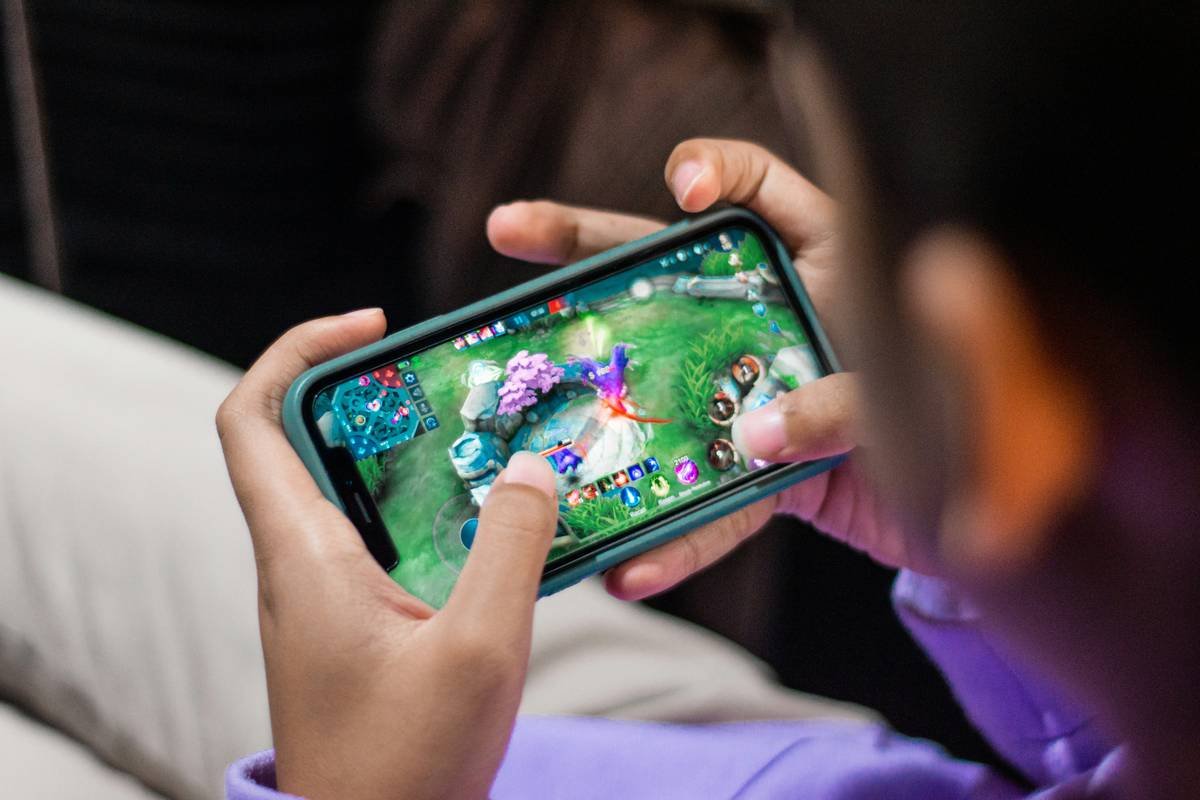
I once made the rookie mistake of calling Monument Valley “just a pretty puzzle game.” Then I watched my 7-year-old nephew solve its optical illusions faster than I could. Lesson? Casual ≠ shallow. These games are masterclasses in minimalist UX design.
Why Casual Games Dominate Mobile
Here’s the cold truth: mobile screens are tiny, attention spans are shrinking, and we’re all emotionally exhausted. Casual games thrive because they meet us where we are—on the bus, in line, doomscrolling at 3 a.m.
But it’s not just convenience. The economics are brutal:
- 78% of mobile gamers prefer casual titles (data.ai, 2024)
- Average user acquires in <3 seconds—if the onboarding sucks, you’re churned.
- Hyper-casual subgenre exploded with games like Hole.io hitting 500M+ downloads via ad-driven virality.
Optimist You: “So casual games are just free fun!”
Grumpy You: “Ugh, fine—but only if you ignore the loot boxes disguised as ‘energy refills.’”
Seriously though: the best developers (like Voodoo or Rollic) use ethical monetization—think rewarded ads (“Watch a 15-second ad for extra moves”) instead of paywalls blocking progress. The worst? They’ll lock Level 8 behind a $49.99 “VIP Pass” while whispering, “Your friends are ahead of you…”
How to Play Smart (Not Hard)
You don’t need a PhD to enjoy Roblox tycoons or Fishdom aquariums—but a little strategy keeps you in control. Here’s how:
Should I disable in-app purchases?
Yes, especially on shared devices. iOS and Android both have parental controls to block purchases. Even if you’re an adult, one accidental tap during a rage-quit can cost $100.
Are daily login rewards worth it?
Only if you genuinely enjoy the game. These “streak” mechanics exploit loss aversion (psych 101: we hate losing more than we love winning). If you’re playing just to keep the streak? You’ve been hooked.
What’s a red flag for predatory design?
Watch for:
- “Limited-time offers” that reset every 2 hours
- Progress halting at arbitrary energy caps
- Social pressure (“3 friends sent you gifts—open now!”)
Terrible Tip Disclaimer
“Just uninstall after each session!” — Cool story, but nobody does this. It’s like saying “eat one chip.” Unrealistic. Instead, set app timers (Digital Wellbeing on Android, Screen Time on iOS) to auto-lock after 20 minutes.
Real-World Examples That Nail It
Let’s spotlight two ends of the spectrum:
✅ Ethical Win: Stumble Guys
Kongregate’s battle royale hit lets you play 100% free. Cosmetic skins? Optional. Ads? Skippable. And it’s cross-platform! Result: 60M+ monthly players (Sensor Tower, Q1 2024).
❌ Predatory Fail: Nameless Match-3 Clone
Last month, I tested a top-charting match-3 game that locked World 5 behind a $19.99 “unlock pack”… after 20 levels of fake progress. Player reviews were full of “scam!” complaints. It vanished from charts in 3 weeks. Karma’s real.
Casual Gaming FAQs
Is Roblox considered casual gaming?
It depends! Roblox is a platform. Games like Brookhaven RP (social sim) are casual; Arsenal (FPS) is core. Check session length—if you’re playing >30 mins/day, it’s likely not casual.
What’s the difference between hyper-casual and casual?
Hyper-casual = ultra-simple mechanics (e.g., Helix Jump), instant gameplay, ad-heavy. Casual = slightly deeper (e.g., Homescapes), may include light progression systems.
Can casual games improve cognitive skills?
Some studies (like a 2022 Nature paper) suggest puzzle-based casual games boost short-term memory and processing speed—but only if played mindfully, not compulsively.
Why do casual games update so often?
To combat churn. The average casual player quits within 7 days. Frequent updates (new levels, events) trick your brain into thinking “there’s always something new,” leveraging novelty bias.
Conclusion
So—what is casual gaming? It’s not “easy mode.” It’s brilliant design meeting human behavior in the palm of your hand. When done right, it’s joyful, restorative, and inclusive. When done wrong? It’s a slot machine with cartoon graphics.
Play intentionally. Notice the hooks. Enjoy the dopamine hits—but don’t let them hijack your time. After all, the best casual game is the one that leaves you feeling refreshed, not drained.
Like a Tamagotchi, your gaming habits need daily care. Feed them wisely.