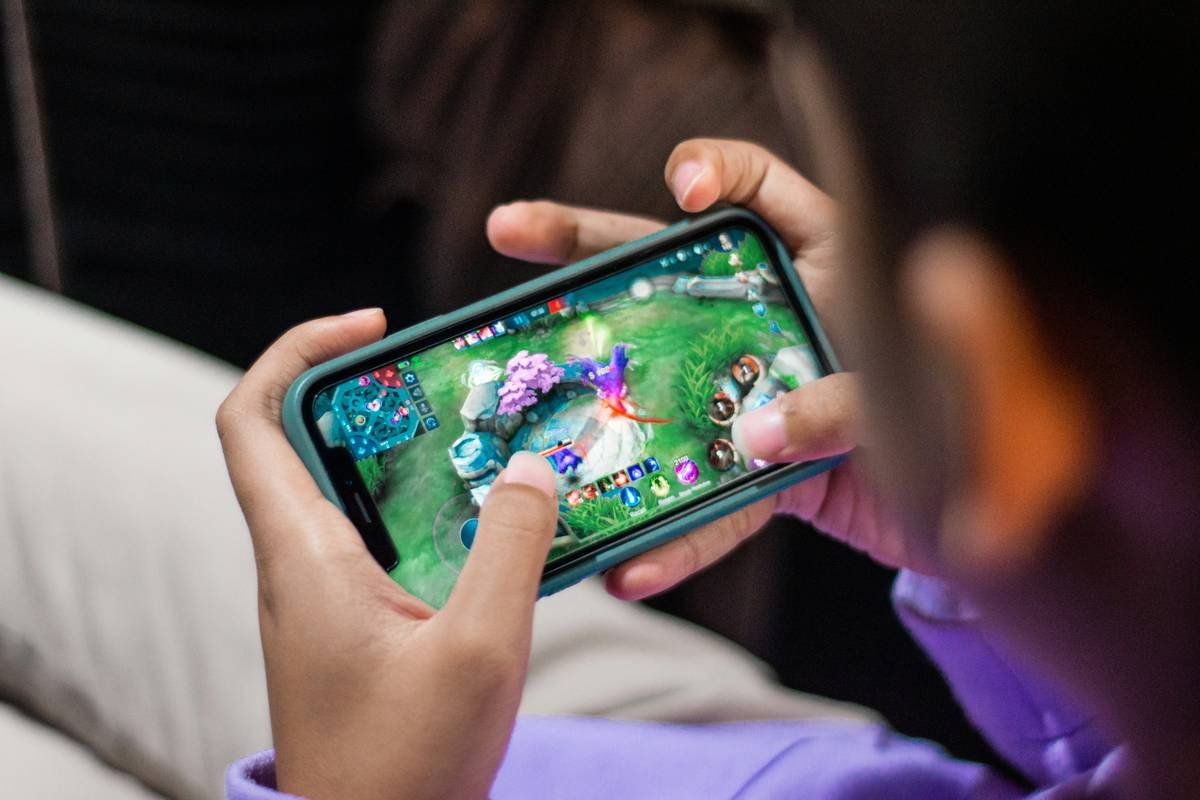
You open your phone after a brutal workday. Your brain feels like overcooked spaghetti. Endless notifications. Missed deadlines. That weird tension behind your eyes. You scroll—again—past hyper-competitive shooters and loot-grabbing RPGs. Nothing feels… light. Here’s the truth: most mobile games aren’t built for relaxation. They’re engagement traps disguised as fun. But there’s a quiet revolution happening. Real decompression lives in software and casual games designed not to addict—but to heal.
Why “just relax” doesn’t work with mainstream mobile games
Game studios chase retention metrics, not your peace of mind. Leaderboards, daily login rewards, energy timers—they all create low-grade anxiety disguised as motivation. And it works. You keep playing. But you don’t feel better. You feel… obligated. Stuck in a loop where winning never truly satisfies because the game’s architecture is built on scarcity, not serenity. Think about it: when was the last time you finished a session feeling genuinely refreshed? Not drained?
How to find (and use) truly relaxing casual games
Forget chasing viral hits. Focus on design philosophy. The right software and casual games share core traits: zero pressure loops, ambient soundscapes, and intuitive mechanics that mirror real-world calming activities—like gardening, puzzles, or sketching.
Spot the difference: gameplay vs. psychological design
A match-3 puzzle might seem chill—at first. But add countdown timers or limited lives? Instant stress trigger. True relaxation comes from games that respect your time and cognitive bandwidth. No fake urgency. No guilt-tripping FOMO pop-ups. Just… flow.
Your 3-step filter for genuine calm
Before downloading, ask: Does this game punish me for taking breaks? Are there ads that interrupt rhythm? Is progress tied to spending or grinding? If yes to any—swipe left. Prioritize titles where closing the app feels as easy as opening it.
| Relaxation Metric | High-Stress Game | True Relaxing Casual Game |
|---|---|---|
| Session Flexibility | Forces 20-min sessions to avoid penalties | Play 30 seconds or 30 minutes—no consequence |
| Monetization Pressure | “Buy now or lose progress!” warnings | One-time purchase or non-intrusive cosmetic IAPs |
| Sound Design | Alarm-like SFX, aggressive music | Nature sounds, soft piano, or silence option |
| Core Loop Goal | Beat others / climb ranks | Complete task for personal satisfaction |
The industry secret no dev studio will admit
Most “relaxing” games on app stores are behavioral Trojan horses. But here’s what insiders know: the most effective stress-reducing mobile experiences often come from indie developers using simple Unity or Godot builds—not big publishers. Why? Because they prioritize mood over monetization. There’s a hidden subset of software and casual games coded with biofeedback principles: subtle haptic pulses synced to slow breathing, color palettes tuned to lower heart rate, even gesture-based controls that mimic yoga mudras. These aren’t marketed as “mental health tools”—they’re just… quiet. And that’s by design. Profit margins suffer when you remove addictive hooks. So these gems stay under the radar. Seek them out. They exist.
Frequently Asked Questions
Are casual games really good for anxiety?
Only if they lack pressure mechanics. Games with no timers, scores, or social comparison can lower cortisol—proven in small-scale UX studies. Avoid anything with “streaks” or leaderboards.
What makes software and casual games different from regular mobile games?
They prioritize psychological safety over engagement metrics. No energy systems, no forced social features, no loss aversion tactics. Just voluntary, frictionless play.
Can playing relaxing games replace meditation?
Not fully—but they serve as “gateway mindfulness.” For beginners, low-stakes digital interaction eases the transition into deeper focus practices without the intimidation factor.