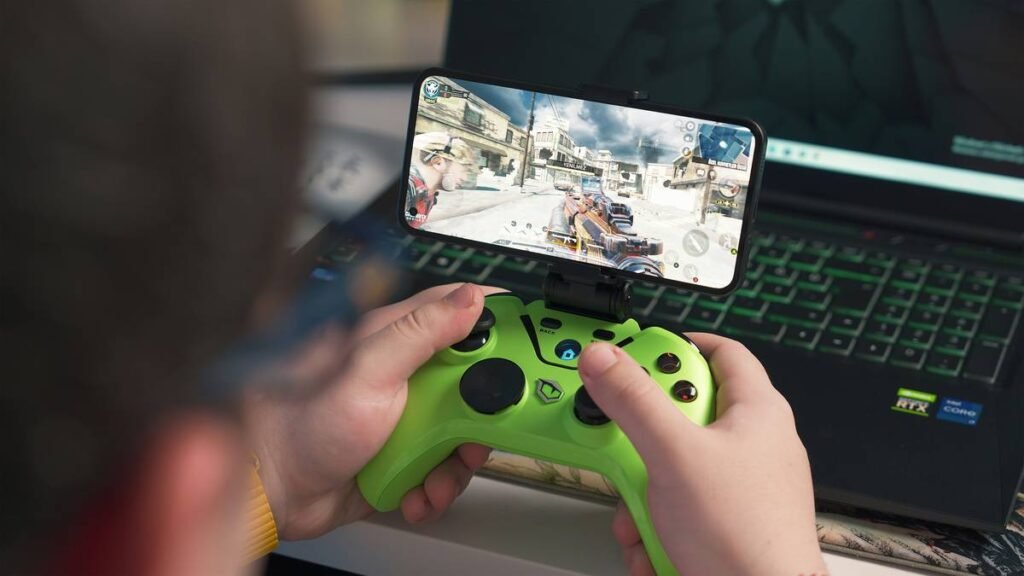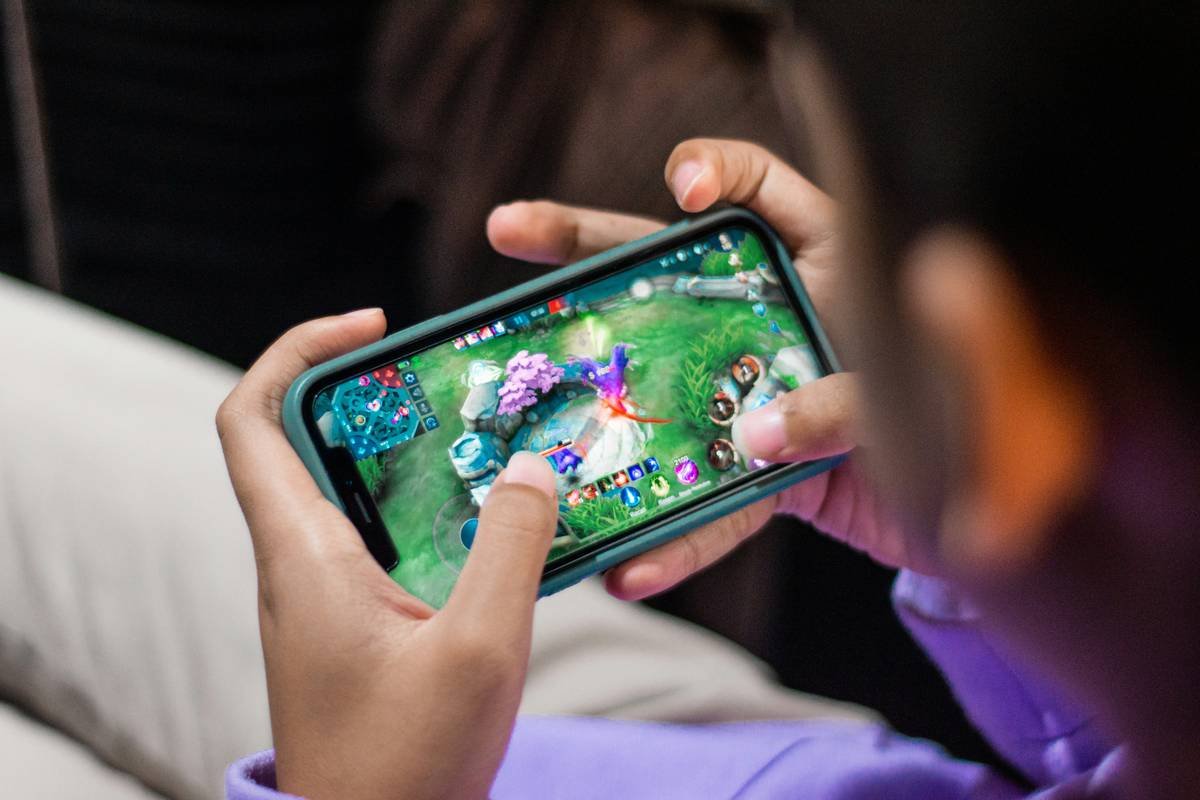
Scrolling through your phone, killing time between meetings or on a bus ride—you tap open another android casual game. It feels harmless. But before you know it, 45 minutes vanish. These games aren’t just simple distractions. They’re meticulously engineered dopamine traps disguised as innocent pastimes.
The Hidden Problem with “Just One More Level”
Most players assume casual mobile games are low-stakes entertainment. That’s the illusion. The real issue? Designers bake behavioral psychology into every tap, swipe, and reward cycle. Tiny wins. Fake urgency. Infinite loops masked as progression. And the result? Hours lost without meaningful payoff.
Traditional advice—“just uninstall”—misses the point. If these games were truly trivial, you wouldn’t keep coming back. The friction isn’t willpower. It’s that the experience is calibrated to bypass rational choice altogether.

How to Master android casual Games Without Getting Played
Smart engagement beats blind avoidance. Here’s how to reclaim agency while still enjoying bite-sized fun:
Set Hard Time Boundaries
Use your phone’s built-in screen-time limiter—not as a suggestion, but as a hard stop. When the timer hits zero, the app closes. No exceptions. This forces intentionality.
Prioritize Games with True Endings
Avoid infinite runners or endless puzzle loops. Seek out titles with clear arcs—like episodic narratives or goal-based challenges. Completion creates satisfaction; infinity breeds compulsion.
Disable All Notifications
Every ping is a leash. Silent mode is armor. If a game can’t hold attention without alerts, it doesn’t deserve yours.
| Game Type | Risk of Time Sink | Recommended Daily Limit | Red Flags to Watch For |
|---|---|---|---|
| Match-3 Puzzles | High | 10–15 min | Energy systems, daily login rewards |
| Idle Clickers | Extreme | Avoid entirely | “Offline earnings,” upgrade FOMO |
| Narrative Minigames | Low | 20–30 min | Self-contained episodes, no IAP prompts |
| Endless Runners | Very High | 7–10 min | Score chasing, randomized power-ups |
The Industry Secret: Not All Casual Games Are Created Equal
Here’s what studios won’t advertise: retention metrics dictate design more than fun. A game that keeps you for 90 seconds today—but reliably—earns more ad revenue than one you love for three hours once. So they optimize for repeat micro-sessions, not joy.
But—and this is critical—some indie developers reject this model. They build android casual experiences with finite stories, minimal ads, and no psychological hooks. These gems exist. You just have to hunt past the algorithm’s top “recommended” list.
Think about it: if a game feels slightly boring after two tries, that might be a feature—not a bug. It’s respecting your time.
Frequently Asked Questions
What defines an android casual game?
Simple mechanics, short sessions, minimal learning curve. Designed for pick-up-and-play on Android devices—often free with ads or in-app purchases.
Are casual mobile games addictive by design?
Many use variable reward schedules and artificial scarcity—proven behavioral triggers. Not clinically addictive, but engineered to maximize repeated use.
Can you enjoy casual games without wasting time?
Absolutely. Set timers, mute notifications, and choose games with clear endpoints. Control the interaction, don’t let it control you.