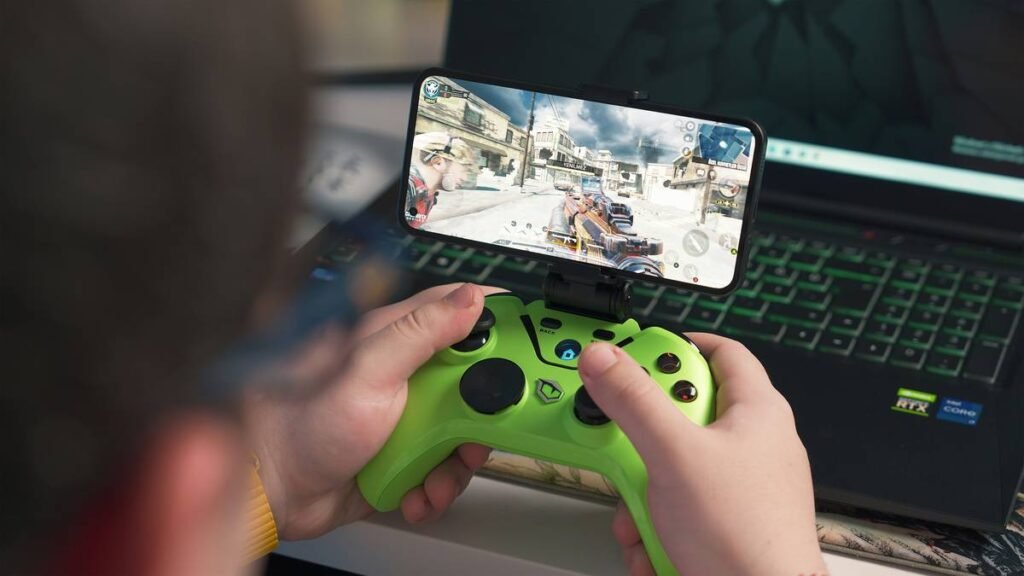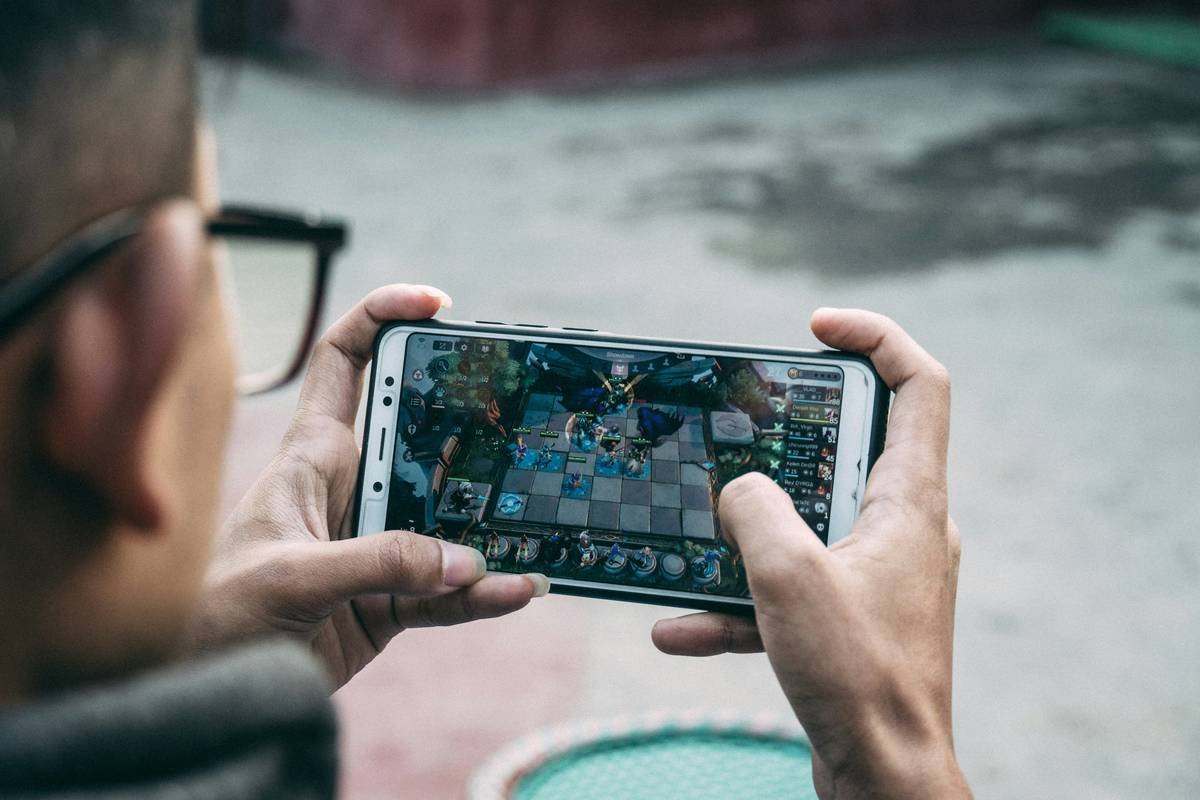
You’re drowning in notifications, deadlines, and DMs. Yet you crave that dopamine hit only games deliver. Most mobile titles demand hours of grinding—leaving you frustrated, not refreshed. Enter android gaming casual: bite-sized fun that fits your chaos, not the other way around.
The Myth of “Just One More Level”
Casual games aren’t lazy design—they’re precision engineering for fragmented attention spans. But here’s the trap: 90% of so-called “casual” Android games secretly push predatory monetization disguised as convenience. Energy systems. Paywalls after level 15. Fake progression. You think you’re relaxing. You’re actually being farmed.
And it’s exhausting.
Your Step-by-Step Guide to Real Casual Play
Pick Games That Respect Your Time
Avoid anything requiring daily logins or squad commitments. True casual design lets you play for 90 seconds—or 90 minutes—without penalty. Look for offline modes and zero social obligations.
Disable Notifications Aggressively
Notifications = psychological hooks. Go into your Android settings and silence every game app. If a developer can’t retain you without buzzing your wrist at 2 a.m., they don’t deserve your data.
Use This Game Filter Checklist

| Feature | True Casual | Fake Casual (Avoid) |
|---|---|---|
| Session Length | 30 sec – 5 min | Forces 15+ min sessions |
| Monetization | One-time unlock or ads skippable after 5 sec | Pay-to-continue after failure |
| Progress Loss | None—pick up exactly where you left off | Lose progress if idle >24h |
| Social Pressure | Zero invites, no leaderboards by default | “Your friends are waiting!” pop-ups |
Curate Like a Pro
Ditch the Play Store algorithm. Follow indie devs on Twitter. Subscribe to newsletters like *Pocket Tactics*. The best casual gems never trend—they spread through word-of-mouth among burned-out professionals who value peace over pixels.
The Industry Secret No One Talks About
Major publishers intentionally blur the line between casual and mid-core games to inflate LTV (lifetime value). Their internal playtest data shows players tolerate more friction if the first 30 seconds feel “easy.” So they front-load simplicity—then lock depth behind timers or currencies. It’s bait-and-switch UX. The real win? Stick to developers who’ve been in the space since before hyper-casual exploded in 2018. They remember when “casual” meant *kind*.
FAQ
What defines a true casual Android game?
It requires no scheduling, has no mandatory social features, and lets you quit anytime without losing progress. Sessions should feel complete—even if under a minute.
Are casual Android games worth playing seriously?
Absolutely—if you define “seriously” as protecting your mental bandwidth. These games reduce stress, not add to it. That’s serious self-care in 2024.
How do I avoid addictive design in casual games?
Delete any game that uses countdown timers, energy bars, or guilt-based messaging (“Your village misses you!”). Real casual play feels light—not sticky.