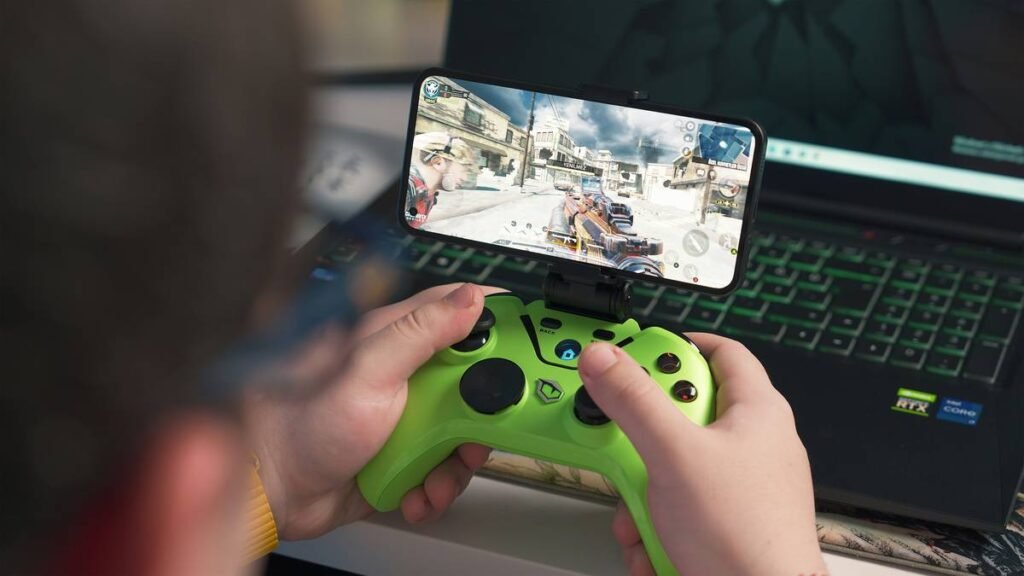
You downloaded another “relaxing” casual android game—only to hit a paywall by level three. Sound familiar? Millions chase stress-free fun but end up trapped in manipulative loops disguised as gameplay. The real solution isn’t scrolling endlessly through the Play Store—it’s knowing what to look for before you tap install.
Why Most casual android Games Fail You
They’re not built for enjoyment. They’re engineered for retention metrics and ad impressions. And it shows.
Most developers treat casual players like data points, not humans. Session time? Monetization per user? Those KPIs dictate design—not your actual experience. So you get repetitive mechanics, fake scarcity, and energy systems that gate basic progress. It’s psychological baiting dressed in pastel colors.
How to Find Truly Enjoyable casual android Games (Without Wasting Time)
Forget algorithm-driven recommendations. Use this tactical filter instead.
Check for ‘Loop Depth’—Not Just Graphics
A great casual game offers subtle progression beneath simple rules. Think Mini Metro or Alto’s Adventure. Minimal UI, maximal satisfaction.
Avoid These Monetization Red Flags
If you see “Continue?” pop-ups after every loss, forced video ads before saving, or “limited-time” currency giveaways within 60 seconds of launch—that’s predatory design. Walk away.
Look at Update Frequency—But Differently
Weekly updates often mean live ops chasing trends, not refining gameplay. Instead, seek studios with quarterly, thoughtful patches focused on balance and bug fixes. That signals respect for the player base.
| Signal | Healthy Casual Game | Toxic Casual Game |
|---|---|---|
| First 5 Minutes | Tutorial embedded in play; no interruptions | “Watch ad to double coins!” before you move |
| Progression | Skill-based unlocks or natural pacing | Artificial timers or pay-to-skip walls |
| Developer Notes | Thanks players; explains changes | Pure promo: “NEW EVENT! SPEND NOW!” |

The Industry Secret: Most “Casual” Hits Are Actually Mid-Core in Disguise
Here’s what publishers won’t admit: pure casual games rarely top charts anymore. The real money comes from “hybrid-casual” titles—games that feel simple but sneak in resource management, light strategy, or social competition.
Take Royal Match or Project Makeover. On surface: match-3 + fashion. Underneath? Daily quests, stamina limits, alliance mechanics. They blur genres to capture both dopamine-chasing casuals and engagement-hungry mid-core players. The result? Higher lifetime value—and more pressure on you to keep playing. But if you understand this duality, you can spot which hybrids respect your time versus which ones exploit it.

Frequently Asked Questions
Are casual android games safe for kids?
Not automatically. Many feature unmarked in-app purchases or behavioral ads. Always check IARC ratings and disable payments in device settings.
Can you play quality casual games offline?
Yes—but they’re rare. Look for keywords like “no internet needed” in descriptions. Offline support often signals less reliance on ad-driven servers.
Do casual android games drain battery faster?
Poorly optimized ones do. Constant ad SDK pings and background analytics chew power. Well-made titles run smoothly even on older devices.