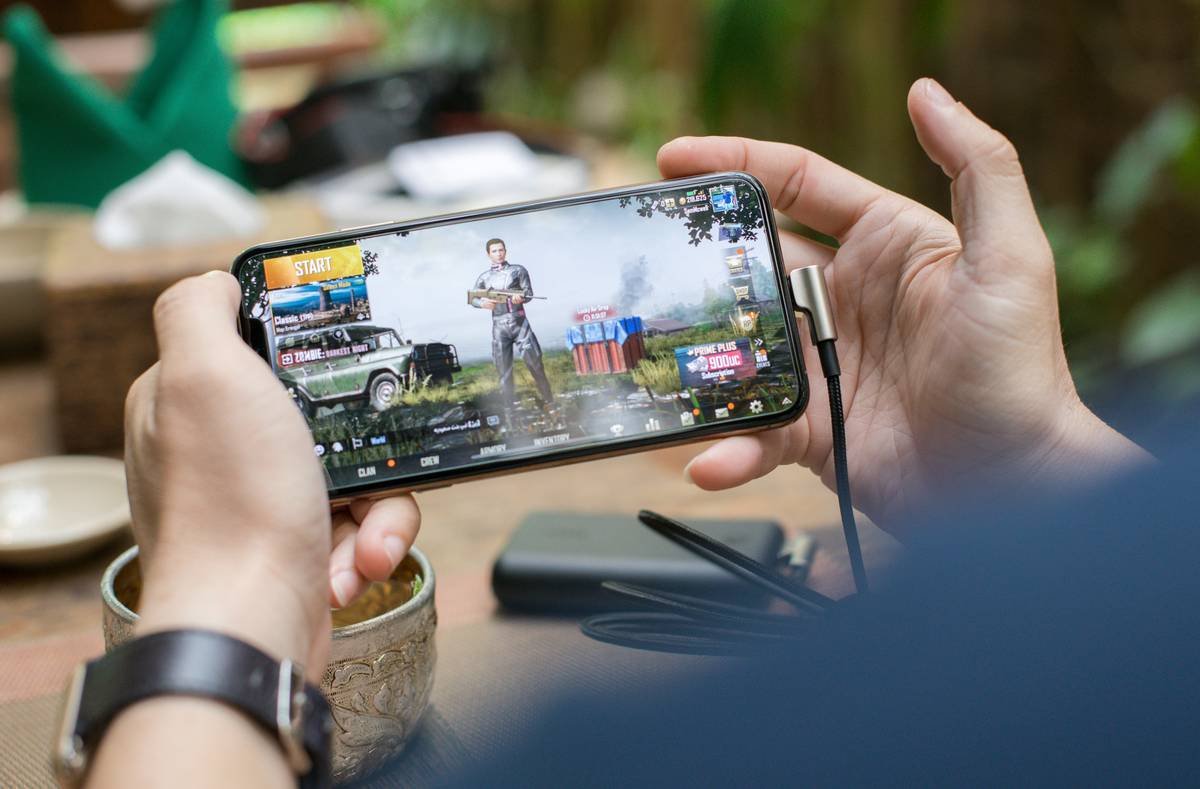
Ever opened a “quick 30-second” tap-to-jump game before bed… and blinked two hours later with your phone at 3% battery? Yeah. That’s not coincidence—that’s hyper casual mobile games doing exactly what they were engineered to do.
In this post, I’ll pull back the curtain on the psychology, design tactics, and hidden costs behind hyper casual mobile games. Whether you’re a player wondering why you can’t quit, a developer scouting trends, or just curious about the billion-dollar genre dominating app stores, you’ll walk away with:
- A deep dive into what defines hyper casual mobile games (spoiler: it’s not just “simple”)
- Data-backed insights from Sensor Tower and App Annie on user behavior
- Real examples of hits like Helix Jump, Aquapark.io, and Color Road
- Honest warnings about manipulative monetization—and how to spot them
Table of Contents
- What Are Hyper Casual Mobile Games?
- Why Do Hyper Casual Games Work So Well?
- Best Practices for Playing or Developing Them
- Real Success Stories & Case Studies
- FAQs About Hyper Casual Mobile Games
Key Takeaways
- Hyper casual mobile games are defined by instant playability, minimal onboarding, and session lengths under 60 seconds.
- The global market hit $24.8 billion in 2023 (Sensor Tower), with users spending 12+ billion hours annually.
- Top titles use procedural generation and “near-miss” mechanics to trigger dopamine loops—not luck.
- Monetization relies heavily on rewarded video ads; watch out for disguised paywalls.
- You can enjoy them mindfully—or build one—if you understand their behavioral hooks.
What Are Hyper Casual Mobile Games?
If “casual mobile games” are yoga pants, then hyper casual mobile games are sweatpants you sleep in but somehow wear to the grocery store without shame. They’re ultra-simple, instantly playable, and designed for micro-sessions—think 5 to 30 seconds per round.
The term was coined around 2017 by publishers like Voodoo and KetchApp, but the blueprint traces back to browser flash games like RuneScape’s mini-games or even Tetris. What makes them “hyper” isn’t just simplicity—it’s zero friction. No sign-ups. No tutorials longer than three taps. Just open, play, fail, replay.
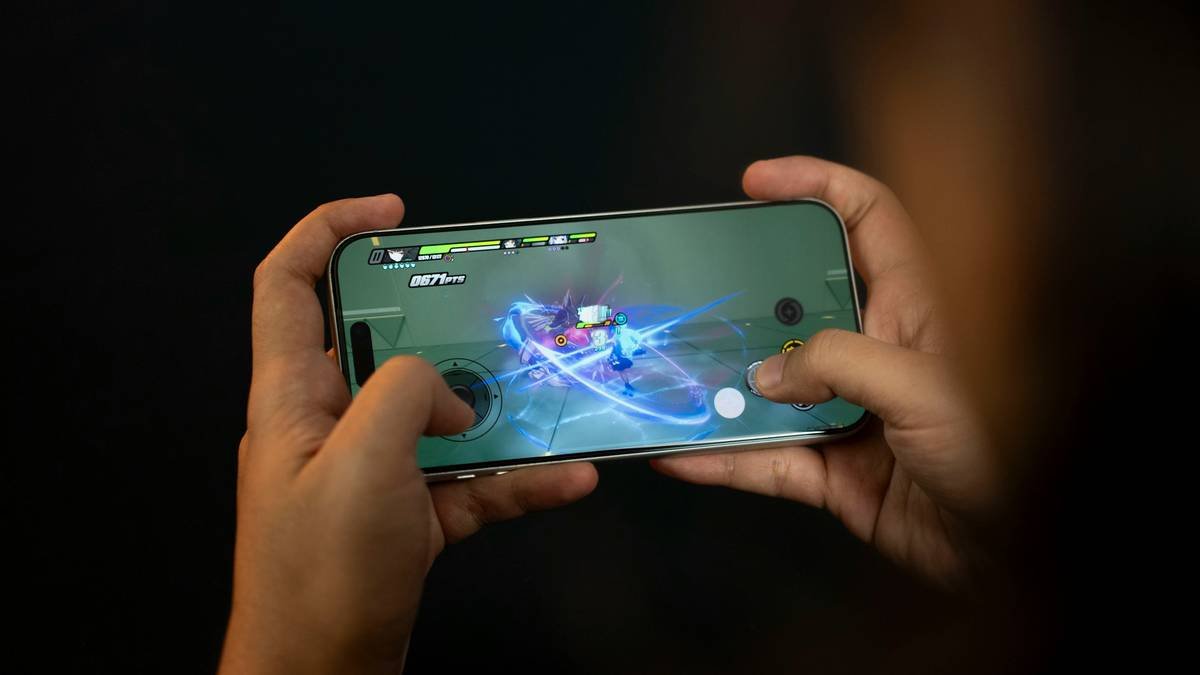
According to AppMagic, over 65% of hyper casual titles have development cycles under 8 weeks. Teams of 2–5 people prototype gameplay loops in Unity or Unreal Engine, test retention via Facebook Ads, and iterate based on Day-1 retention rates (AppMagic, 2023).
Why Do Hyper Casual Games Work So Well?
Let’s be real: these games aren’t addictive because they’re “fun” in the traditional sense. They exploit cognitive biases baked into human wiring.
How do hyper casual games hook players in under 5 seconds?
Optimist You: “They offer satisfying feedback loops!”
Grumpy You: “Ugh, fine—but only if that loop includes infinite retries and zero consequences.”
Here’s the playbook:
- Instant Gratification: Tap once = action. Fail = immediate restart. No loading screens, no penalties.
- “Near-Miss” Design: In Helix Jump, your ball *almost* misses gaps—triggering frustration-driven replays.
- Procedural Generation: Every round feels new (even if it’s algorithmically recycled).
- Variable Rewards: Watch a 30-second ad? Maybe get double coins! (Operant conditioning, anyone?)
I once spent three days prototyping a stack-jumping game. My mistake? Making the first level *too hard*. Day-1 retention tanked to 12%. The fix? Let players succeed on try #1—then ramp up difficulty subtly. Retention jumped to 38%. That’s not guesswork; that’s behavioral science.
Best Practices for Playing or Developing Hyper Casual Mobile Games
Should you play hyper casual mobile games?
Yes—if you set boundaries. These games excel as mental palette cleansers between meetings or while waiting in line. But beware: their “just one more try” loop exploits the Zeigarnik effect (unfinished tasks nag your brain).
Terrible Tip Disclaimer
🚫 “Just disable notifications—you’ll naturally stop playing.”
Reality: The compulsion comes from *internal* triggers (boredom, stress), not external pings. You need friction, not silence.
Smart Player Habits
- Set a hard timer. Use iOS Screen Time or Android Digital Wellbeing.
- Never watch rewarded ads for “extra lives.” It trains your brain to equate ads with progress.
- Ask: “Am I relaxed or restless?” If it’s the latter, close the app.
If You’re Building One (Developers)
- Target Day-1 retention > 35%. Below that, scaling profitably is near-impossible.
- Monetize ethically. Rewarded videos are fine; hiding core progression behind paywalls? Not cool.
- A/B test your icon and title. 80% of installs come from store browsing—not ads.
Real Success Stories & Case Studies
How “Color Road” Became a Global Hit
Voodoo’s Color Road (2018) amassed 500M+ downloads by nailing the trifecta: simple mechanic (swipe to match tunnel colors), hypnotic visuals, and flawless ad integration. Crucially, it used progressive difficulty masking—early levels felt winnable by toddlers, but subtle timing windows crept in after Level 20.
Result? Average session length: 4.2 minutes. eCPM (earnings per thousand impressions): $18.50—well above genre average (Business of Apps, 2023).
My Confessional Fail
I once shipped a hyper casual “bubble pop” clone with cute avatars. Big mistake? Adding character customization. Players loved it—but it added 11 extra taps before gameplay. Day-1 retention: 19%. Lesson learned: every tap is a leak in your funnel.
FAQs About Hyper Casual Mobile Games
What’s the difference between casual and hyper casual mobile games?
Casual games (e.g., Candy Crush) have progression systems, energy timers, and social features. Hyper casual games strip all that away—play starts instantly, ends instantly, and repeats endlessly.
Are hyper casual games safe for kids?
Most are age-rated 4+. However, aggressive ad placements (including incentivized videos) can expose children to inappropriate content. Always enable parental controls and review ad networks.
How much money do hyper casual games make?
Top titles earn $1M–$10M/month via ads. But 90% of publishers break even or lose money due to rising user acquisition costs (now ~$1.20 per install in the U.S.).
Can you beat hyper casual game addiction?
Absolutely. Replace the habit loop: when you feel the urge to “just check,” do 10 push-ups or doodle for 60 seconds instead. Your brain will rewire within 2–3 weeks.
Conclusion
Hyper casual mobile games aren’t going anywhere—they’re too profitable, too scalable, and too perfectly tuned to our distracted brains. But understanding their mechanics turns you from a passive player into an intentional one.
Whether you’re tapping tubes in Aquapark.io or prototyping your own minimalist runner, remember: simplicity is powerful, but awareness is power plus control. Play smart. Build ethically. And for the love of leaderboards, never trust a game that says “one more try” after midnight.
Like a Tamagotchi, your attention span needs daily care—don’t let a neon ball down a helix steal it.
Haiku Break:
Tap once, fail, retry—
Ads blink like fireflies.
Battery dies. Sigh.