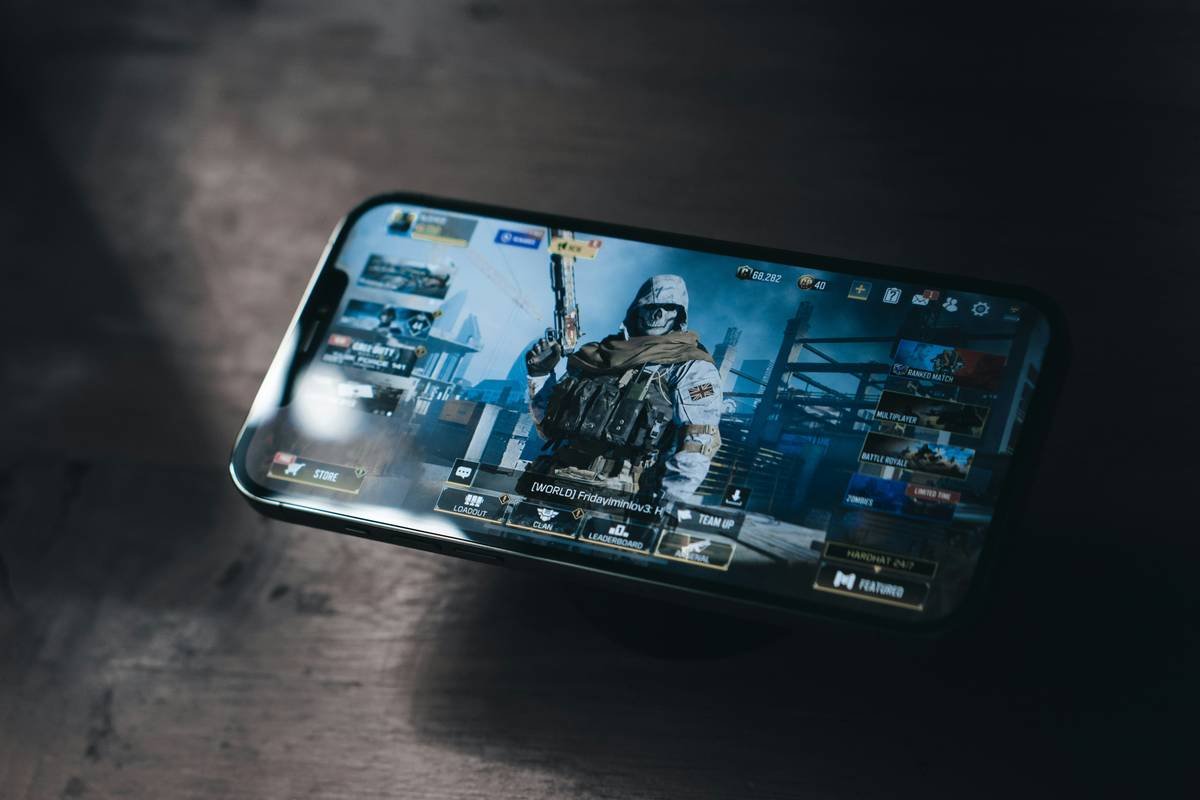
Ever opened your phone to kill “just five minutes”… and suddenly it’s 45 minutes later because you’re one tap away from beating your high score in some neon-colored game about stacking pancakes or dodging spikes?
Congratulations—you’ve been hooked by a hyper casual game. And you’re not alone. In 2023, hyper casual games made up nearly 70% of all casual mobile game downloads, with titles like Flappy Bird, Helix Jump, and Aquapark.io racking up billions of installs combined.
In this post, I’ll cut through the noise and answer what is hyper casual game—not just with textbook definitions, but with real dev insights, hard data, and yes, that time I accidentally spent three hours testing a match-3 prototype instead of writing this article. (My cat judged me. Hard.)
You’ll learn:
- The exact traits that define hyper casual games (spoiler: it’s more than “easy gameplay”)
- Why developers and advertisers love this genre—and why players keep coming back
- Real examples that show the formula in action
- Common misconceptions (and one terrible tip you should NEVER follow)
Table of Contents
- Key Takeaways
- What Problem Do Hyper Casual Games Solve?
- How to Recognize a Hyper Casual Game: 5 Telltale Signs
- Best Practices for Playing (or Making) Them
- Real-World Hyper Casual Success Stories
- FAQ: What Is Hyper Casual Game?
- Conclusion
Key Takeaways
- Hyper casual games are defined by instant gameplay, minimal learning curves, and short session lengths (under 90 seconds).
- They rely on ad-based monetization—not in-app purchases—and prioritize virality over depth.
- The genre exploded due to low development costs and high user acquisition efficiency via playable ads.
- Not all simple mobile games are hyper casual; core design philosophy matters more than surface simplicity.
What Problem Do Hyper Casual Games Solve?
Let’s be real: modern life is fragmented. You’re waiting for coffee. Stuck on a delayed train. Hiding in the bathroom during a family dinner. Your brain craves a micro-dose of dopamine—but you don’t have time (or mental bandwidth) for a 20-hour RPG questline.
That’s where hyper casual games step in.
These games solve a very human problem: the need for instant, frictionless entertainment in micro-moments. Unlike traditional mobile games that require tutorials, inventory management, or energy systems, hyper casual titles drop you straight into the action the second you tap “Play.”
And publishers noticed. According to Sensor Tower, the average hyper casual game costs under $50K to develop but can generate $1M+ in its first month if it nails retention and virality. That ROI explains why giants like Voodoo, CrazyLabs, and Azur Interactive pump out dozens of these titles yearly.
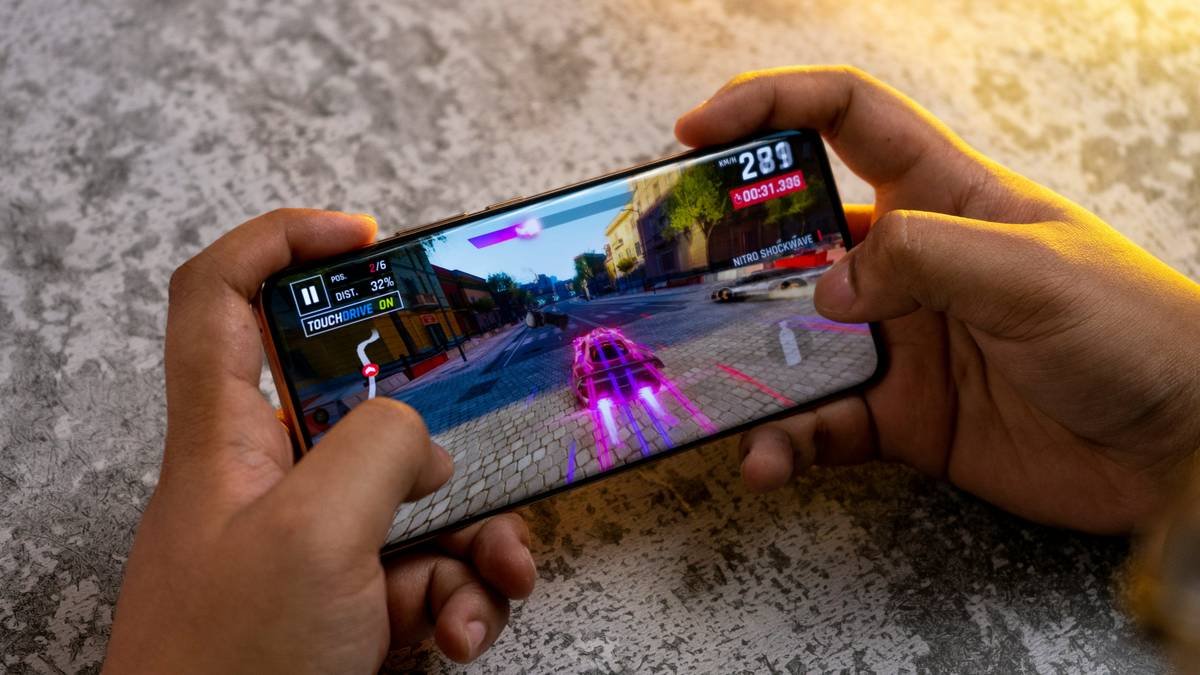
Optimist You:
“This genre democratizes game development! Anyone with Unity skills can go viral!”
Grumpy You:
“Ugh, fine—but only if my prototype doesn’t crash when I rotate the screen. Again.”
How to Recognize a Hyper Casual Game: 5 Telltale Signs
Not every simple-looking mobile game qualifies as hyper casual. It’s a specific design philosophy—not just aesthetics. Here’s how to spot the real deal:
1. Instant Gameplay (Zero Tutorial)
If the game requires more than 3 seconds to explain the rules, it’s probably not hyper casual. Think Color Switch: tap to change ball color, avoid obstacles. Done.
2. Session Length Under 90 Seconds
Hyper casual sessions are snackable. Data from Unity shows median playtime is 47 seconds. If you’re still playing after 2 minutes, the game’s doing something right—or wrong.
3. Ad-Based Monetization Only
No IAPs. No premium currency. Revenue comes from rewarded videos, interstitials, and banner ads. Why? Because asking users to pay kills virality.
4. Minimalist Art & Sound
Bright colors, geometric shapes, loopable chiptune beats. Assets are designed for fast loading and universal recognition—think emoji-level simplicity.
5. Viral Loop Built In
Many include “challenge friends” features or shareable fail clips (oh hey, there’s my pancake tower collapsing again). This drives organic install growth without expensive UA campaigns.
Best Practices for Playing (or Making) Them
Whether you’re a curious player or an aspiring dev, these tips help you navigate the genre like a pro.
- For Players: Use app stores’ “Top Free” charts—hyper casual hits dominate them weekly.
- For Developers: A/B test your icon relentlessly. A 5% CTR lift can mean 500K extra installs.
- Never Ignore Retention: Day-1 retention below 35% usually means death. Optimize early loops!
- Leverage Playable Ads: These interactive previews convert 3x better than static banners (Source: ironSource).
- Avoid Feature Creep: Adding “just one more level” often ruins the magic. Simplicity = scalability.
⚠️ Terrible Tip Disclaimer:
“Just copy Flappy Bird—it’s easy!” Nope. That game launched in 2013. Today’s market demands novel mechanics (e.g., Rocket Punch’s physics-based fist-swinging). Cloning = obscurity.
Real-World Hyper Casual Success Stories
Let’s geek out on actual data.
Case Study: Helix Jump (Voodoo, 2018)
This ball-dropping sensation hit #1 in 155 countries with zero marketing spend—purely through word-of-mouth and addictive loop design. It amassed over 1 billion downloads by 2022 (Source: AppMagic).
Case Study: Sandwich! (CrazyLabs, 2021)
A quirky food-stacking game that used vertical video ads showing hilarious fail moments. Result? 30M+ downloads in 3 months and a Day-7 retention of 18%—above genre average.
These wins aren’t luck. They stem from obsessive focus on the “hook loop”: immediate fun → quick failure → instant retry urge.
FAQ: What Is Hyper Casual Game?
Is Candy Crush a hyper casual game?
No. Despite its mass appeal, Candy Crush uses energy systems, IAPs, and progression gates—hallmarks of “hybrid casual,” not hyper casual.
How much do hyper casual games make?
Top titles earn $500K–$2M monthly from ads alone. But 80% of releases flop within 30 days (Source: GameAnalytics).
Are hyper casual games dying?
Not dying—but evolving. “Mid-core hybrids” (like Project Makeover) now blend hyper casual onboarding with light narrative. The core principles remain vital.
What’s the difference between casual and hyper casual?
Casual games (e.g., Solitaire) may have deeper systems and longer sessions. Hyper casual = stripped down to one core mechanic + instant play.
Conclusion
So—what is hyper casual game? It’s not just “simple mobile game.” It’s a precision-engineered dopamine dispenser built for our distracted age: zero friction, maximum immediacy, and designed to spread like wildfire.
As a player, they’re your secret weapon against boredom. As a creator, they’re a high-risk, high-reward playground where elegance beats complexity every time.
And if you take nothing else away: never underestimate the power of a well-timed tap.
Like a Tamagotchi, your attention span needs feeding. These games just happen to serve snack-sized portions.
Tapping once, twice,
Ball falls through neon hoops—
Phone dies. Sigh. Repeat.