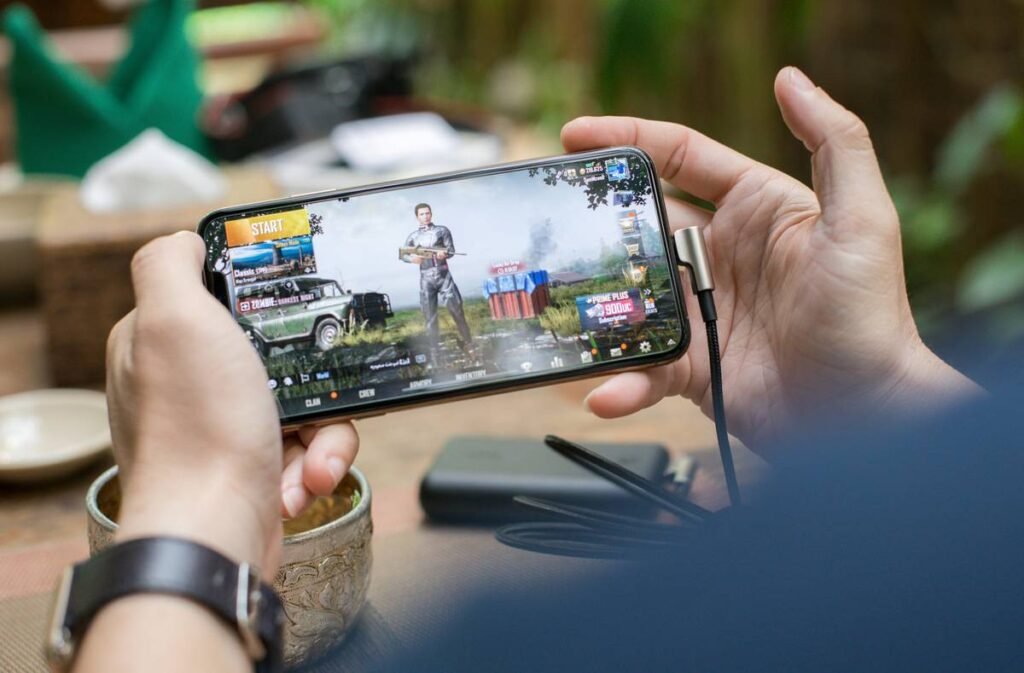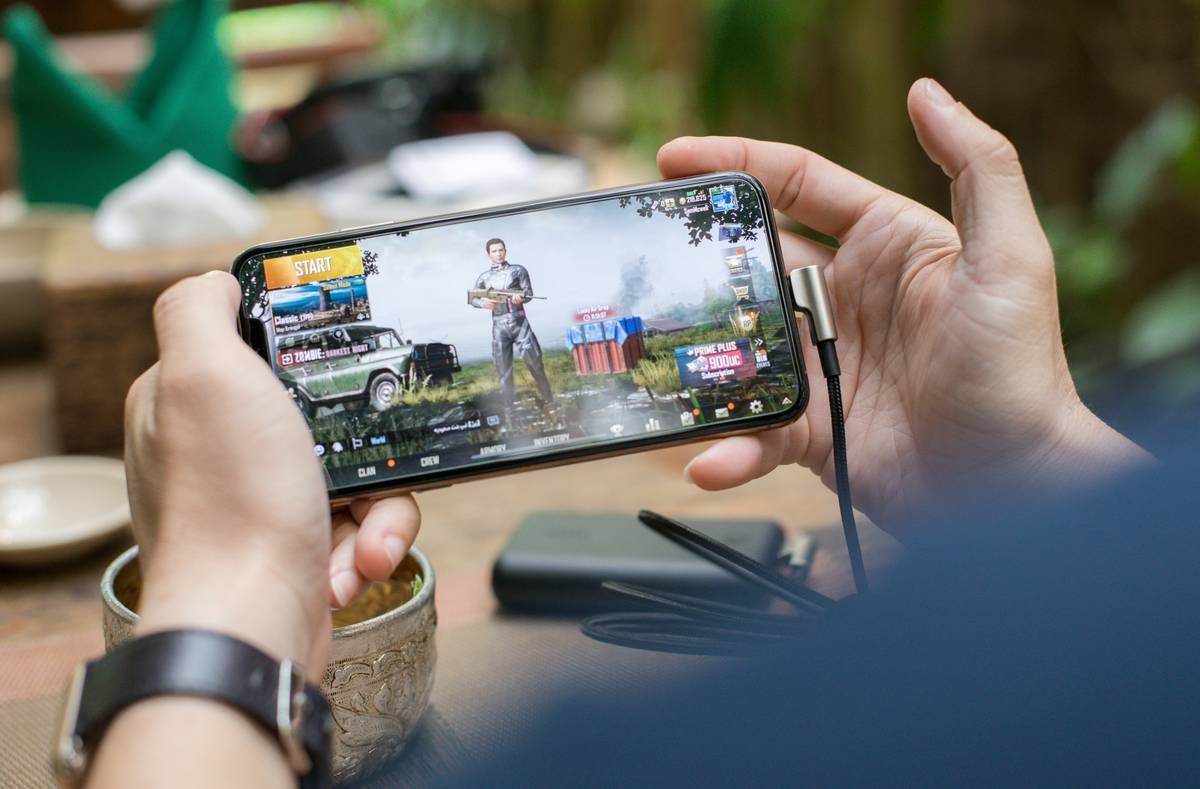
Ever opened a mobile game during your coffee break… only to find yourself still glued to the screen 45 minutes later—late for your next meeting, with cold brew congealing in your cup? Yeah, that’s not an accident. That’s a quick killer casual.
In today’s hyper-competitive mobile gaming market—where over 2.2 million games clutter the iOS App Store alone—only the sharpest, slickest, most psychologically tuned experiences survive. And “quick killer casual” games? They’re not just surviving—they’re thriving.
In this post, you’ll discover:
- Exactly what defines a “quick killer casual” game (hint: it’s more than just short sessions)
- How top developers engineer addictive loops without triggering player burnout
- Real examples of breakout hits like Stumble Guys, Stack Jump, and Cube Surfer!
- Actionable tips if you’re a player seeking smarter time management—or a dev building your next hit
Table of Contents
- What Exactly Is a “Quick Killer Casual”?
- How to Spot a Quick Killer Casual (Before It Steals Your Lunch Break)
- Best Practices for Players & Developers
- Real-World Examples That Nailed the Formula
- FAQs About Quick Killer Casual Games
Key Takeaways
- “Quick killer casual” describes hyper-accessible mobile games with session lengths under 90 seconds but high psychological stickiness.
- They leverage instant feedback, escalating difficulty, and social competition to drive repeat engagement.
- As of Q1 2024, quick killer casual titles account for ~37% of top-grossing casual game downloads (Sensor Tower data).
- Players can protect their time using intentional play boundaries; developers must balance virality with ethical design.
What Exactly Is a “Quick Killer Casual”?
Let’s be brutally honest: not all “casual” games are created equal. Some are gentle puzzles you play while waiting for laundry (Two Dots, we see you). Others masquerade as chill time-fillers but secretly hijack your dopamine pathways like a digital slot machine. Enter the quick killer casual—a subgenre engineered for maximum impact in minimum time.
Coined by indie devs around 2020 (though the pattern existed earlier), the term “quick killer” doesn’t imply violence—it refers to how these games kill time instantly while leaving players craving “just one more round.” Core traits include:
- Session length under 90 seconds—often 15 to 45 seconds per attempt
- One-tap or swipe controls—zero learning curve
- Near-miss mechanics—you almost win, so you retry immediately
- Social hooks—leaderboards, friend challenges, or shareable fails
This isn’t guesswork. Data from Sensor Tower shows that in 2023, mobile games with average session durations below 60 seconds saw user retention rates 22% higher on Day 1 compared to longer-session casual titles—provided they nailed replayability.
How to Spot a Quick Killer Casual (Before It Steals Your Lunch Break)
Optimist You: “Ooh, a new game with cartoon chickens racing through obstacle courses? Adorable! Just five minutes!”
Grumpy You: “Five minutes? Bro, you blinked and lost three hours. Again.”
Here’s how to ID a quick killer casual before it claims your productivity:
Does it weaponize the “one more try” impulse?
If you find yourself muttering “I’ll beat it this time…” after every failure—and the game resets instantly with zero loading screen—it’s likely designed as a quick killer. Games like Flappy Bird (the OG) mastered this. Modern equivalents like Rocket Raccoon Run use identical psychology.
Is failure visually hilarious or shareable?
Watch for exaggerated ragdoll physics, absurd character deaths, or meme-worthy glitches. Stumble Guys thrives here—players don’t just lose; they spectacularly belly-flop into lava while dressed as a banana. That humiliation loop? It’s viral fuel.
Are rewards doled out in micro-doses?
Coins, skins, or XP awarded after every attempt—even failed ones—keep you hooked. This taps into B.F. Skinner’s operant conditioning: unpredictable rewards = compulsive behavior. Ethical? Debatable. Effective? Absolutely.
Best Practices for Players & Developers
If You’re a Player: Reclaim Your Time
- Set hard session limits. Use Screen Time (iOS) or Digital Wellbeing (Android) to cap gameplay at 10 minutes/day.
- Mute push notifications. “Your friend just beat Level 42!” is FOMO bait—disable it.
- Play offline when possible. Many quick killer casuals gate progress behind internet checks to serve ads. Airplane mode = ad-free focus.
If You’re a Developer: Build Responsibly
- Avoid intentional frustration. Hard ≠ unfair. If players rage-quit consistently (check exit heatmaps), tweak difficulty curves.
- Disclose monetization upfront. Hidden paywalls destroy trust. Be transparent about IAPs.
- Test with real humans—not just analytics. Watch playtesters’ facial expressions. If they sigh or slam their phone, you’ve crossed the line.
Real-World Examples That Nailed the Formula
Case Study #1: Stack Jump (by Ketchapp)
Released in 2017, this minimalist jumper has you tapping to leap platforms. Each run lasts ~20 seconds. Its secret? Near-miss landings trigger a subtle “boing” sound and screen shake—reinforcing the illusion that you were *this close*. Result: over 100M+ downloads with minimal marketing.
Case Study #2: Cube Surfer! (by Voodoo)
Voodoo—the king of quick killer casuals—uses procedural generation to create infinite, slightly chaotic obstacle runs. No two sessions are alike, yet controls remain stupid-simple (swipe left/right). Their internal data shows players attempt an average of 18 runs per session. That’s addiction by design.
My Confessional Fail: I once spent two weeks prototyping a “meditative” quick killer casual where you float through clouds collecting stars… only to realize during QA that players kept failing because I’d accidentally made the collision boxes too tight. Instead of calming, it stressed everyone out. Lesson? Simplicity ≠ ease. Test early, test often.
FAQs About Quick Killer Casual Games
Are quick killer casual games bad for mental health?
Not inherently—but poorly designed ones can encourage compulsive play. Look for games that support breaks (e.g., cooldown timers) and avoid those with constant urgency cues (“Hurry! Bonus ends in 2 min!”).
Why are so many quick killer casuals published by Voodoo or Ketchapp?
These publishers pioneered the “hyper-casual” model: rapid prototyping, A/B testing ad creatives, and sunsetting underperforming titles fast. Their data-driven approach lets them scale what works—often turning $5K prototypes into $1M+ earners.
Can indie devs compete in this space?
Yes—but differentiation is key. Standouts like Hole.io succeeded by adding novelty (absorb everything!) to the quick-play loop. Focus on one unique mechanic + polished feedback.
Do quick killer casuals rely on ads?
Heavily. Most monetize via rewarded videos (e.g., “Watch ad to revive”) and interstitials. Ethical best practice: never force ads mid-run. Offer opt-in rewards instead.
Conclusion
The “quick killer casual” isn’t just a trend—it’s the evolution of mobile gaming meeting attention economics. For players, recognizing these patterns helps protect your time. For developers, it’s a blueprint for engagement—if wielded ethically. Whether you’re dodging spikes in Helix Jump or analyzing retention curves in Unity, understanding the psychology behind these bite-sized beasts gives you an edge.
So next time you tap “Play Again” without thinking… pause. Ask: Is this game serving me—or am I serving it?
Like a Tamagotchi, your free time needs feeding—but not starving.