Ever downloaded a “free” mobile game only to find yourself $200 lighter after chasing glittery loot boxes? You’re not alone. In 2023, the global mobile gaming market hit over $280 billion—and embedded gambling mechanics are quietly fueling that growth. If you think casual games like Candy Crush, Matchington Mansion, or Homescapes are harmless fun… think again.
This post cuts through the flashy animations and fake urgency to expose the real mobile games gambling risks hidden in plain sight—even in titles rated for kids. You’ll learn how loot boxes mimic slot machines, why psychological hooks work so well on tired parents scrolling at 2 a.m., and exactly what regulators are (or aren’t) doing about it. Plus: practical tools to protect your wallet and your kids’ screen time.
Table of Contents
- Key Takeaways
- Why Do Mobile Games Feel Like Casinos?
- How to Spot Gambling Mechanics in Disguise
- Best Practices for Safe, Truly Casual Play
- Real-World Case Studies: When “Just One More Spin” Went Too Far
- FAQs About Mobile Games Gambling Risks
Key Takeaways
- Loot boxes, gacha mechanics, and “wheel spins” in casual mobile games exhibit structural and psychological similarities to gambling—confirmed by peer-reviewed research.
- The UK Gambling Commission, Belgian Gaming Commission, and other EU bodies now classify certain loot box systems as gambling under local law.
- Over 50% of top-grossing mobile games use monetization tactics flagged by researchers as “high-risk” for problem gambling behaviors (King & Delfabbro, 2022).
- Parental controls and spending limits are essential—but often buried in device settings, not the game itself.
Why Do Mobile Games Feel Like Casinos?
I’ll confess: I once spent $87 in 48 hours on a match-3 game called Gardenscapes. Not because I needed more lives—but because a flashing “Mystery Chest!” promised rare garden decorations. The animation? Suspenseful drumroll. The reveal? A dud… followed instantly by “Try Again – 50% OFF!” My palms were sweaty. My heartbeat quickened. And that’s no accident.
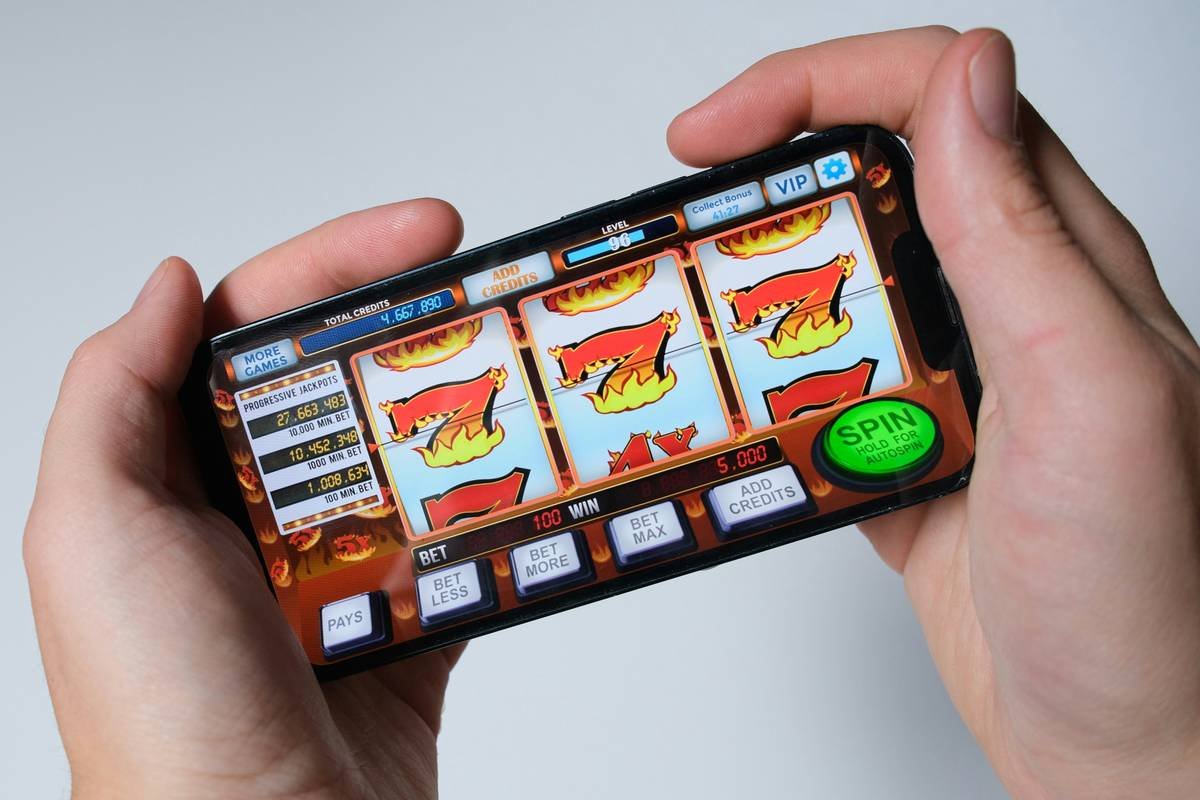
Casual mobile games leverage behavioral psychology techniques refined over decades in Las Vegas and Macau casinos:
- Variable Ratio Reinforcement: Rewards delivered unpredictably (like slot machines) create compulsive engagement.
- Loss Aversion Framing: “You almost won!” messages trick your brain into perceiving near-misses as wins.
- Sunk Cost Fallacy: After investing time or money, players feel compelled to keep playing to “justify” prior spend.
Regulators are catching on. The Netherlands and Belgium have already banned paid loot boxes. The U.S. FTC held a 2022 workshop on “Protecting Kids from Dark Patterns,” citing mobile gaming as a key concern. Yet Apple and Google still allow these mechanics in apps rated for children as young as 4.
How to Spot Gambling Mechanics in Disguise
Not all in-game purchases are risky—but some are digital wolf whistles disguised as bunny rabbits. Here’s how to ID them:
Does the game use randomized rewards you pay for?
If you spend real money for a chance at an unknown item (e.g., mystery chests, card packs, “gacha” pulls), that’s a loot box—and functionally identical to a slot machine spin.
Are there countdown timers on “deals”?
“Offer expires in 00:02:19!” isn’t urgency—it’s artificial scarcity designed to bypass rational decision-making. Real sales don’t vanish if you blink.
Do you get “free” currency that disappears if unused?
Games like Slotomania give you daily coins—but they expire. This trains you to log in daily, building habit loops akin to visiting a casino lounge.
Optimist You: “Just ignore the pop-ups!”
Grumpy You: “Sure—right after I teach my toddler quantum physics. These designs exploit dopamine pathways, not willpower.”
Best Practices for Safe, Truly Casual Play
- Enable purchase approvals: On iOS, go to Settings > Screen Time > Content & Privacy Restrictions > iTunes & App Store Purchases > Require Password. Set to “Immediately.” On Android, open Google Play > Profile > Settings > Authentication > Require authentication for all purchases.
- Use prepaid gift cards: Load a fixed amount monthly—no credit card on file means no impulse buys.
- Avoid “energy” or “life” systems: Games that gate progress behind timers (or paid continues) manipulate FOMO. Stick to truly endless modes like Tetris Effect or Alto’s Adventure.
- Check PEGI/ESRB labels: Look for the “In-Game Purchases” icon. Better yet, use Common Sense Media for age-appropriate reviews.
Terrible Tip Disclaimer
“Just uninstall the game if you overspend.” Yeah, no. Addiction doesn’t work like deleting a photo. If you’re chasing losses or hiding spending from family, contact the National Council on Problem Gambling—not your app store.
Real-World Case Studies: When “Just One More Spin” Went Too Far
In 2021, a UK teenager accumulated £2,700 in debt playing FIFA Mobile’s Ultimate Team mode—a system where players buy randomized player packs. His parents successfully sued EA, citing lack of gambling warnings (BBC, 2021).
Meanwhile, Japan cracked down on “kompu gacha” (complete gacha)—a mechanic requiring multiple random purchases to unlock a set—in 2012 after players reportedly spent over ¥1 million ($9,000) chasing rare items.
But it’s not just teens: A 2023 study found 18% of adults over 50 reported spending more than intended on mobile games due to “limited-time event” pressure (Journal of Behavioral Addictions).
FAQs About Mobile Games Gambling Risks
Are loot boxes illegal?
In Belgium and the Netherlands, yes—if they involve real money and chance-based rewards. In the U.S., they’re largely unregulated, though several states have introduced bills.
Can kids really develop gambling habits from mobile games?
Absolutely. The American Psychological Association warns that early exposure to simulated gambling increases risk of problem gambling later in life.
What’s the difference between gambling and “just fun” purchases?
If you know exactly what you’re getting (e.g., $2 for 100 extra levels), it’s a standard microtransaction. If you pay for a chance at something unknown, it’s gambling by design.
Do free games have higher risks?
Paradoxically, yes. “Free-to-play” models rely heavily on monetization tricks to recoup costs—making them more likely to embed high-risk mechanics than premium ($5–$10) games.
Conclusion
Casual mobile games shouldn’t cost you sleep, savings, or sanity. The line between entertainment and exploitation is thinner than a pixelated banana peel—and you deserve to play with eyes wide open. By recognizing gambling-like mechanics, setting hard boundaries, and choosing games that respect your time (not just your wallet), you reclaim control. Because true casual play? It should feel light—not loaded.
Like a 2003 Nokia ringtone, your peace of mind deserves to stay unbroken.