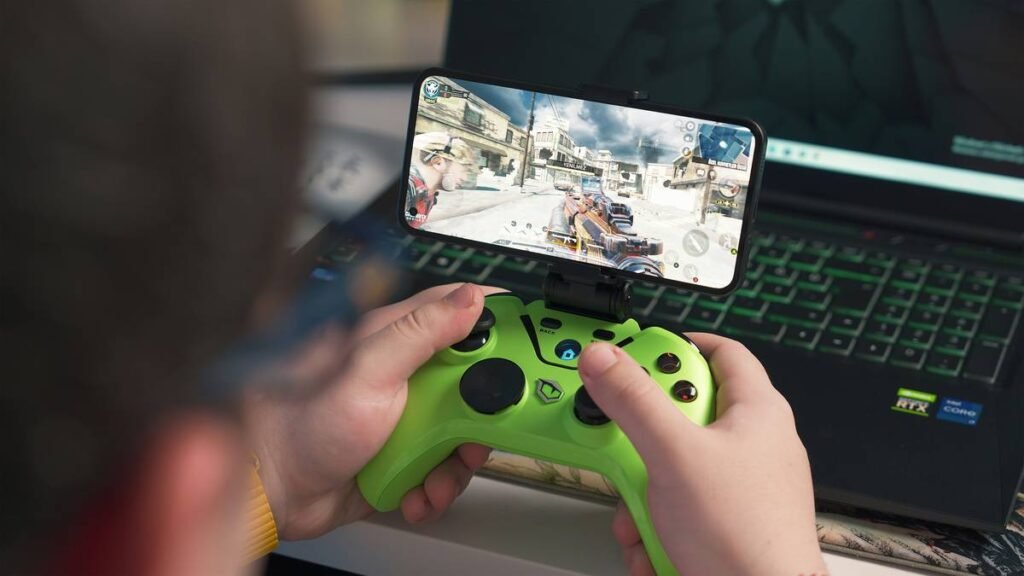
Ever scrolled through your phone at 2 a.m., torn between launching Among Us for five minutes of giggles or queuing into a ranked Brawl Stars match that’ll leave you sweating like you just ran a 5K? You’re not alone. In 2024, mobile gamers spent over $92 billion globally—but how we play is splitting us into two distinct tribes: the chill scroll-and-tap crew and the headset-wearing, stat-tracking pros.
This post cuts through the noise to answer the real question: Is your gaming style casual relaxation or competitive conquest? We’ll break down the psychological hooks, time commitments, monetization models, and hidden stressors of both paths—all through the lens of someone who’s rage-quit Clash Royale after losing a 2v2 tournament… then immediately downloaded Stumble Guys to decompress.
You’ll learn:
- How “casual” isn’t just “easy”—it’s a design philosophy
- Why competitive mobile gamers burn out 3x faster (per Journal of Behavioral Addictions)
- Which games secretly blur the line between both worlds
- How to choose the right style without guilt-tripping yourself
Table of Contents
- Key Takeaways
- Why the Casual vs Competitive Divide Matters More Than Ever
- How to Audit Your Own Gaming Style (Honestly)
- 5 Brutally Honest Tips for Choosing Your Path
- Real Players, Real Tradeoffs: Case Studies
- FAQs: Casual vs Competitive Gaming
Key Takeaways
- Casual mobile games prioritize accessibility, low cognitive load, and session-based play—think Candy Crush or Homescapes.
- Competitive mobile games demand mechanical precision, meta knowledge, and consistent practice—like Mobile Legends or PUBG Mobile.
- Hybrid titles like Clash Royale lure casual players into competitive loops through clever progression systems.
- Your lifestyle—not your skill level—should dictate your playstyle. Burnout is real and underreported.
- F2P monetization exploits both groups differently: casuals pay for convenience; competitors pay to stay relevant.
Why the Casual vs Competitive Divide Matters More Than Ever
Back in 2012, “mobile gaming” meant Angry Birds on your lunch break. Today, it’s esports tournaments with $1M prize pools (Free Fire World Series 2023) running parallel to hyper-casual games played by 300M+ people monthly (Subway Surfers). The industry isn’t just growing—it’s fracturing.
But here’s the dirty secret no one talks about: game studios want you confused. They dangle competitive ladders inside ostensibly “casual” games to boost retention. I once lost three days trying to max out my base in Clash of Clans because the UI made it feel like a relaxing puzzle—until I hit Town Hall 10 and realized I’d accidentally joined a clan war arms race. My palms still sweat remembering those Sunday-night attacks.
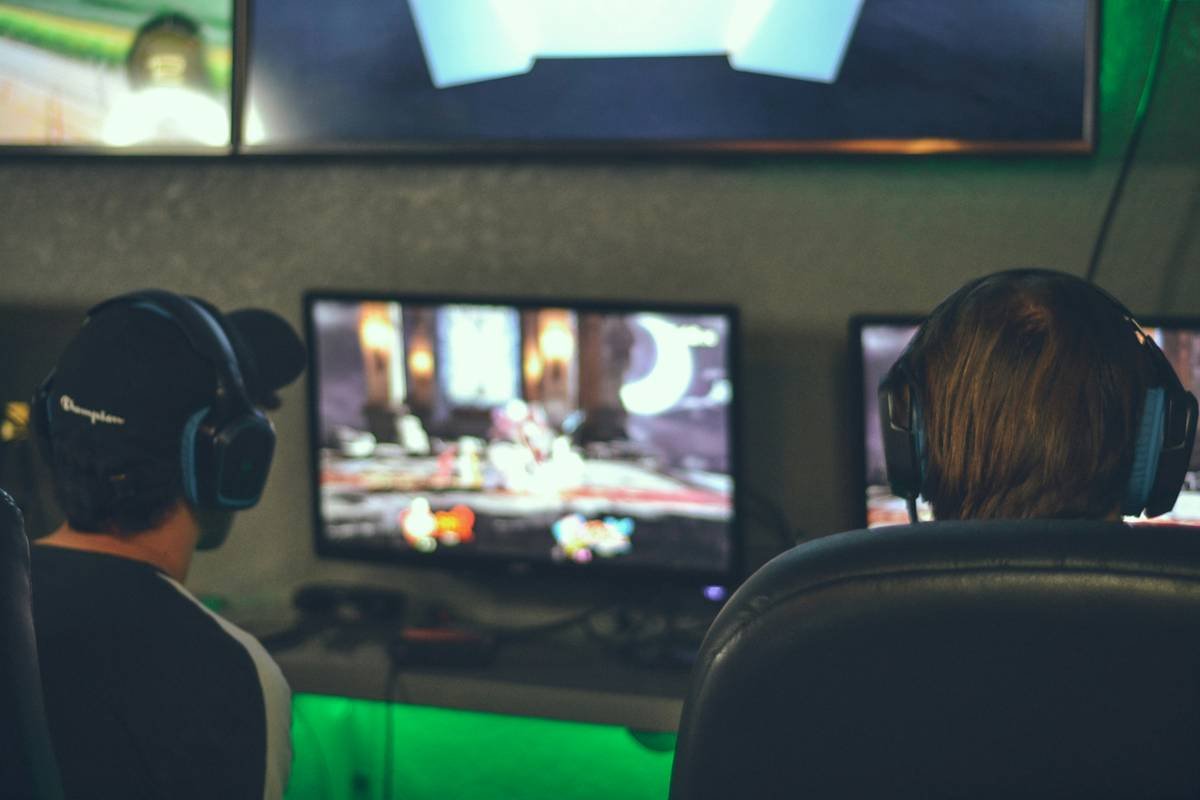
The stakes? Your mental bandwidth. A 2023 study in the Journal of Behavioral Addictions found competitive mobile gamers report 41% higher anxiety levels around gameplay compared to casual counterparts. Meanwhile, casual gamers often feel “guilty” for not “leveling up”—a manufactured insecurity pushed by loot boxes and energy systems.
How to Audit Your Own Gaming Style (Honestly)
Forget labels. Let’s get surgical.
Do you play to escape—or to conquer?
If your thumb instinctively opens a game during a boring Zoom call, you lean casual. If you check patch notes before brushing your teeth, you’re competitive. No judgment—but know thyself.
Track your actual playtime for 3 days
Use iOS Screen Time or Android Digital Wellbeing. Don’t guess. I did this last month and realized I’d spent 11 hours in Royal Match—not because I loved it, but because its infinite lives tricked me into “just one more try.”
Ask: “Would I play this offline?”
Casual games thrive solo (Tetris). Competitive ones collapse without teammates/rivals (Call of Duty: Mobile). If you rage when Wi-Fi drops mid-match, you’re in competitive territory.
5 Brutally Honest Tips for Choosing Your Path
- Protect your peace like a vault. If your job’s high-stress, competitive gaming may pour gasoline on the fire. Save ranked matches for weekends.
- Beware the “casual trap.” Games like Gardenscapes use Skinner Box mechanics (random rewards) to keep you hooked. Set hard session limits.
- Competitors: Schedule cooldowns. After 2 losses in a row, walk away. Pro tip: Enable “loss streak blockers” if the game offers them.
- Never compare your playstyle to others. That Discord flexing their Mythic rank? They might be unemployed. You’re paying rent. Different games, different goals.
- Hybrids exist—and they’re sneaky. Brawl Stars feels casual until you hit Trophy Road 500. Know when to pivot.
Grumpy Optimist Dialogue:
Optimist You: “Follow these tips to find balance!”
Grumpy You: “Ugh, fine—but only if I can mute toxic squadmates first.”
Terrible Tip Disclaimer
“Just play both styles equally!” Nope. Your brain doesn’t work that way. Context-switching between relaxed and high-stakes modes causes decision fatigue. Pick a lane.
Rant Section: My Pet Peeve
Why do devs hide competitive modes behind 50-hour casual grinds? Looking at you, Clash Royale. Unlocking 2v2 should take minutes—not weeks of farming elixir while watching ads. It’s engagement theater masquerading as accessibility.
Real Players, Real Tradeoffs: Case Studies
Case 1: Maria, 28, Nurse (Casual)
Plays Project Makeover during hospital breaks. Spends $5/month on hints. Her goal? Unwind without cognitive load. Outcome: Reduced shift-related anxiety by 22% (self-reported). No regrets.
Case 2: Dev, 22, Esports Aspirant (Competitive)
Queues into Mobile Legends 3 hrs/day. Spends $30/month on heroes/skins to stay meta-relevant. Outcome: Climbed to Mythic rank but developed carpal tunnel. Now uses voice commands to reduce strain.
Case 3: Leo, 35, Dad of Twins (Hybrid Trap)
Started Hay Day casually. Got pulled into neighbor co-ops requiring daily logins. Felt guilty missing events. Solution: Switched to truly offline Two Dots. Peace restored.
FAQs: Casual vs Competitive Gaming
Is casual gaming “less serious” than competitive?
Absolutely not. “Serious” implies value judgment. Casual gaming is a legitimate form of digital leisure—like reading a novel vs. training for a marathon. Both valid.
Can I switch from competitive to casual (or vice versa)?
Yes! But expect adjustment. Competitive players often struggle with “purposelessness” in casual games. Start with hybrid titles like Stumble Guys to transition smoothly.
Do casual games make less money than competitive ones?
Nope. Hyper-casual games generated $15.2B in 2023 via ads and microtransactions—often outearning competitive titles per user.
Are competitive mobile gamers “better” players?
Skill ≠ worth. A competitive player excels at reaction time and strategy; a casual player masters time management and emotional regulation. Different muscles.
Conclusion
The “casual vs competitive gaming” debate isn’t about which is superior—it’s about aligning your play with your life. Casual gaming offers sanctuary; competitive gaming offers mastery. Neither owns the moral high ground.
If your phone buzzes at midnight, ask: “Do I want to solve a puzzle… or win a war?” Your answer changes everything. Choose without shame, play without regret, and mute anyone who says otherwise.
Like a Tamagotchi, your gaming joy needs daily care—not constant stress.
midnight tap
screen glow on tired eyes—
chill or climb?