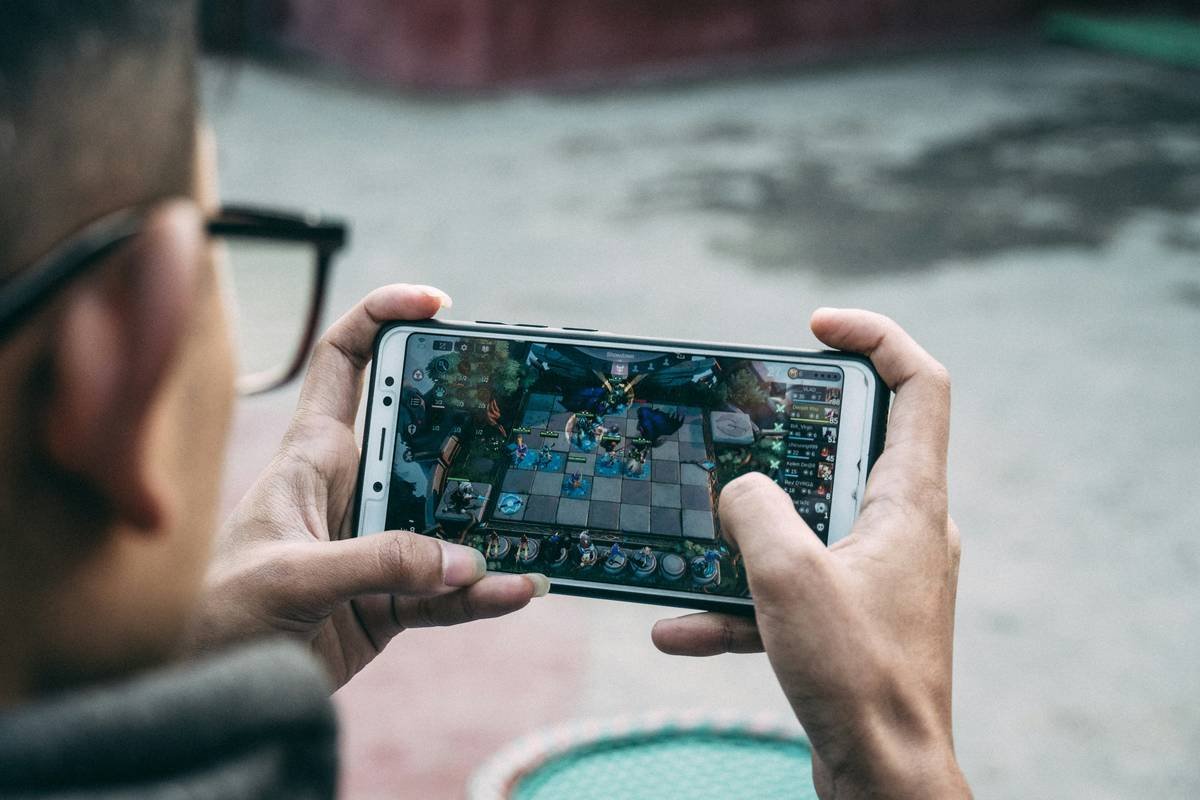
Ever rage-quit a “free” mobile game because you couldn’t beat Level 42 without spending $50… or watching 17 ads disguised as “continues”? You’re not alone. In 2024, mobile gaming revenue hit over $92 billion—more than console and PC combined. Yet a growing chorus of longtime gamers insists: “Mobile games are ruining gaming.”
As someone who’s spent 15+ years straddling hardcore PC campaigns and mindless hyper-casual sessions (yes, I’ve rage-tapped my way through 3 AM cookie-clicker marathons), I’m here to cut through the noise. This post isn’t about moral panic—it’s about examining whether casual mobile games genuinely degrade gaming culture or simply reflect its evolution.
You’ll learn:
- Why critics claim “mobile games are ruining gaming”—and where they’re half-right
- How design psychology in casual mobile titles actually reshapes player expectations
- Real data on how mobile gaming affects attention spans and monetization ethics
- Actionable tips to enjoy casual games without sacrificing your core gaming values
Table of Contents
- Are Mobile Games Actually Ruining Gaming—or Just Changing It?
- How to Play Casual Mobile Games Without Losing Your Soul
- Best Practices for Ethical Mobile Game Engagement
- Real Players, Real Dilemmas: Case Studies from the Trenches
- FAQs About Mobile Games and Gaming Culture
Key Takeaways
- The phrase “mobile games are ruining gaming” oversimplifies a complex shift in accessibility, business models, and player behavior.
- Aggressive monetization (e.g., pay-to-win, ad bombardment) in casual mobile games has influenced even AAA studios—but it’s not inherent to mobile platforms.
- Players can enjoy casual mobile titles responsibly by setting boundaries and choosing ethical developers.
- Data shows mobile gaming expands the player base; it doesn’t replace depth—it diversifies it.
Are Mobile Games Actually Ruining Gaming—or Just Changing It?
Let’s be brutally honest: I once spent three days trying to beat a match-3 level in a popular mobile title only to discover the algorithm was throttling win rates unless I watched an ad. My palms sweated. My cat judged me. And I felt… cheap. That’s the emotional core of the “mobile games are ruining gaming” sentiment—not that phones exist, but that manipulative design has seeped into gaming’s DNA.
Critics aren’t wrong to worry. The rise of attention economics in casual mobile games—where every tap is optimized for retention over enjoyment—has normalized practices like:
- Energy systems that gate progress behind timers or payments
- Progressive difficulty spikes engineered to trigger frustration purchases
- Ads masquerading as “optional” bonuses (looking at you, “Double Reward!” button)
And yes, these tactics have bled into other platforms. Remember when FIFA Ultimate Team introduced loot boxes? Or when “early access” became code for “unfinished product sold at full price”? Mobile didn’t invent predatory monetization—but its massive scale (3.4 billion mobile gamers globally, per Newzoo 2024) made it profitable enough to go mainstream.

Grumpy You: “So we’re doomed to endless Candy Crush clones?”
Optimist You: Not if we understand the difference between platform and practice.
How to Play Casual Mobile Games Without Losing Your Soul
You don’t need to swear off mobile gaming entirely. You just need a filter. Here’s how I vet casual games now—after my “rage-tap era” taught me better.
Step 1: Audit the Monetization Model
Before downloading, check:
- Are core mechanics locked behind paywalls? (Red flag)
- Is there a one-time purchase option? (Green flag—see: Stardew Valley Mobile)
- Do ads feel optional or coercive? (If skipping an ad costs “gems,” run.)
Step 2: Set Hard Time and Spend Limits
I use iOS Screen Time to cap gaming at 30 minutes/day. No exceptions—even if Level 42 taunts me with its glittery, unattainable gems.
Step 3: Support Ethical Developers
Hunt for studios like Zachtronics (Opus Magnum) or Devolver Digital, who prioritize gameplay over psychological hooks. Their mobile ports often lack ads or IAPs entirely.
Grumpy You: “But what if I just want mindless fun?”
Optimist You: Totally valid! Try truly offline games like Mini Metro or Threes!—no internet, no ads, just elegant design.
Best Practices for Ethical Mobile Game Engagement
Don’t fall for these common traps:
- Never equate “free” with “costless.” Your attention and data are currency too.
- Avoid games that punish pausing. If your farm dies because you slept, it’s not a game—it’s digital sharecropping.
- Use ad blockers (where possible). On Android, DNS-level blockers like AdGuard prevent ad calls before they load.
- Teach kids critical literacy. Explain why “free” games ask for money—and let them choose ethically priced alternatives.
Terrible Tip Disclaimer: “Just uninstall all mobile games!” Nope. That’s throwing the baby out with the bathwater—and ignoring how mobile opened gaming to seniors, commuters, and people with disabilities who can’t use consoles. Accessibility matters.
Real Players, Real Dilemmas: Case Studies from the Trenches
Case Study 1: Maria, 68, Retired Teacher
Maria discovered Wordscapes after her husband passed. “It helped me feel connected,” she told me. But when the game started limiting hints unless she watched ads for medical scams, she switched to SpellTower+ ($2.99, no ads). Result? She plays daily—without anxiety.
Case Study 2: Dev Team “PixelPals”
This indie studio launched a match-3 game with zero IAPs. Revenue came from a $1.99 upfront fee. They made less than rivals—but kept 100% of their players’ trust. Two years later, they crowdfunded a sequel with 5,000 pre-orders.
Rant Section: Can we talk about “reward” ads that aren’t optional? You click “Continue,” and suddenly you’re watching a 30-second trailer for a loan app before respawning. That’s not a reward—that’s hostage-taking with pixel art.
FAQs About Mobile Games and Gaming Culture
Are mobile games making gamers less patient?
Possibly—but correlation ≠ causation. A 2023 University of Oxford study found no evidence that casual mobile games reduce attention spans more than other short-form media (like TikTok). The real issue is design intent: games built to frustrate you into paying erode patience faster than those built for flow.
Do casual mobile games kill innovation?
Actually, they often pioneer it. Hyper-casual hits like Flappy Bird or Helix Jump proved minimalist mechanics could go viral. Meanwhile, narrative-driven mobile titles like Oxenfree II show depth thrives on phones too.
Should I feel guilty for enjoying mobile games?
No. Guilt implies harm—but gaming is subjective. What matters is intentionality. Play because you love it, not because an algorithm trained you to crave dopamine hits.
Conclusion
“Mobile games are ruining gaming” is a catchy headline—but it’s lazy analysis. The truth? Bad design ruins gaming, regardless of platform. Mobile’s crime isn’t existing; it’s normalizing monetization tactics that prioritize profit over play.
But here’s the hopeful twist: as players grow savvier, ethical developers gain traction. By choosing games that respect your time and wallet, you vote for the kind of gaming culture you want. And that’s power no algorithm can hijack.
Now if you’ll excuse me, I’ve got a farm to tend in Stardew Valley Mobile—and zero ads to watch.
Like a 2004 Tamagotchi, your gaming joy needs care—not cash grabs.