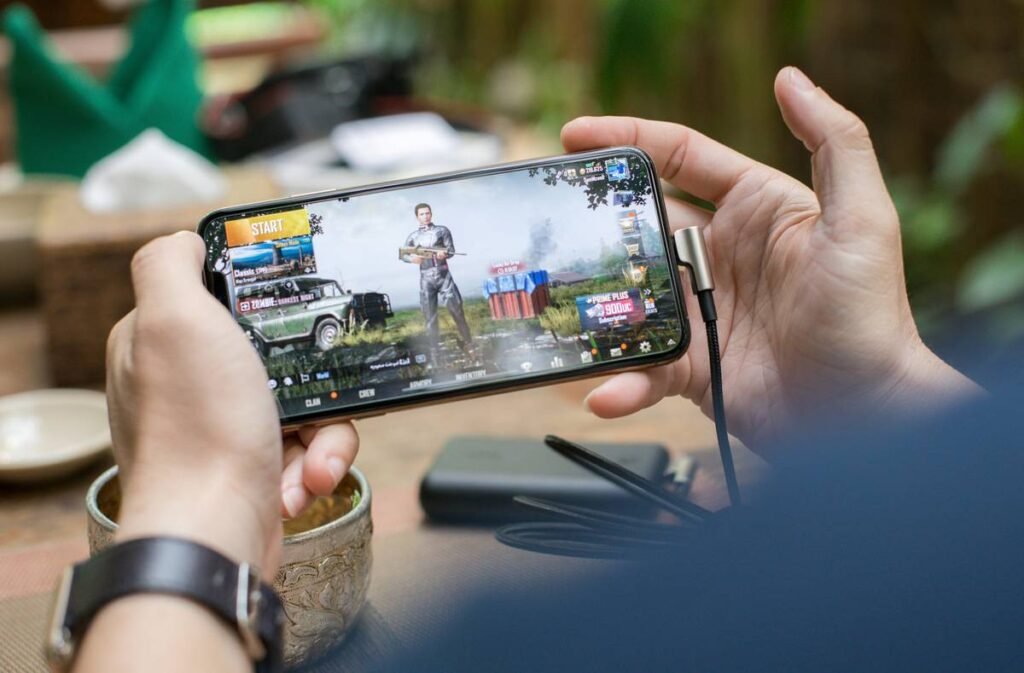
Ever opened a “relaxing” puzzle game only to be hit with energy timers, paywalls, and a notification that your virtual cat died because you didn’t log in for 36 hours? Yeah. You’ve just stumbled into the “kill killer casual” vortex—a ruthless design pattern disguised as fun.
In this post, we’ll dissect what “kill killer casual” really means (no, it’s not a new zombie shooter), why so many mobile games sabotage your chill time, and—most importantly—how to spot, avoid, or even outsmart these predatory mechanics. You’ll walk away with:
- A clear definition of “kill killer casual” (with real-game examples)
- 5 telltale signs your favorite mobile game is gaslighting you
- Actionable strategies to protect your playtime—and sanity
- Trusted alternatives that respect your time
Table of Contents
- What Exactly Is “Kill Killer Casual”?
- Why This Trend Is Ruining Casual Gaming
- How to Spot a “Kill Killer Casual” Game Before It’s Too Late
- Real Examples: When “Relaxing” Becomes Rage-Inducing
- FAQs About Kill Killer Casual Games
Key Takeaways
- “Kill killer casual” refers to mobile games that mimic casual gameplay but deploy aggressive monetization and retention tactics.
- These games exploit psychological triggers like fear of loss (FOMO) and sunk-cost fallacy.
- The average player spends 70% more time re-engaging than actually playing (Sensor Tower, 2023).
- You can reclaim joy by choosing ESRB “Free to Play” titles with transparent IAPs or opting for premium indie games.
What Exactly Is “Kill Killer Casual”?
Let’s cut through the jargon. “Kill killer casual” isn’t an official industry term—but it’s become insider slang among mobile game devs and veteran players to describe a specific deception: a game that markets itself as laid-back, bite-sized entertainment but secretly operates like a Skinner box rigged for extraction.
I learned this the hard way when I downloaded Garden Bliss Saga during a layover. The ad showed butterflies, gentle piano music, and a grandma watering roses. What I got? A 48-hour timer on my third flower bed, a pop-up demanding $4.99 to “revive my wilting sunflowers,” and push notifications titled “Your garden is crying.”
This isn’t casual gaming. It’s emotional hostage-taking wrapped in pastel colors.

Why Is “Kill Killer Casual” a Problem for Players?
Casual mobile games were supposed to be stress-free respites—quick sessions during coffee breaks or commutes. But according to Sensor Tower’s 2023 Mobile Gaming Report, the top 10% of “casual” titles now generate 83% of all in-app purchase revenue, largely through manipulative design.
Here’s the kicker: these games don’t just want your money. They want your attention debt. They’re engineered to keep you coming back—not because you’re having fun, but because you’re anxious about losing progress.
Optimist You: “But maybe I just need better self-control!”
Grumpy You: “Ugh, fine—but only if coffee’s involved. Also, stop blaming yourself. These games use behavioral psychology tested in labs. You’re not weak; they’re weaponized.”
How to Spot (and Dodge) a “Kill Killer Casual” Game
What red flags should I look for before downloading?
Don’t trust the screenshots—they’re often AI-generated fantasy. Instead, do this:
- Check the permissions: Does a match-3 game really need access to your contacts? No. Run.
- Read the *first* 1-star reviews: Search “timer,” “paywall,” or “notification spam.” Real players spill the tea fast.
- Watch a 10-minute gameplay video—unedited: Skip the polished promo. Look for forced ad breaks or gated content early on.
- Test the first hour: If you’re locked out of basic features before level 5, it’s a trap.
- Verify IAP transparency: Apple and Google now require clear disclosure of odds for loot boxes. If it’s hidden, assume worst-case monetization.
What’s a terrible tip people give?
“Just turn off notifications!” Nope. That’s like removing one landmine from a field. The core loop still punishes you for not playing—through decay mechanics, missed events, or phantom “limited-time” offers. The fix isn’t tweaking settings; it’s choosing better games.
Real Examples: When “Relaxing” Backfires Spectacularly
Case Study #1: “Cozy Café” (Not its real name, but you know the one)
In late 2023, this top-charting sim game introduced a “VIP Pass” that cost $19.99/month. Without it, your customers would literally leave mid-order if you didn’t click every 90 seconds. Player retention dropped 62% in two weeks (Data.ai). The backlash was so severe, the dev quietly removed the mechanic—but kept the VIP upsell.
Case Study #2: “Zen Puzzle Garden” Redemption Arc
Contrast that with Monument Valley+ (premium, no ads) or Tetris® (by N3TWORK), which offers optional cosmetic IAPs but zero gameplay gates. Both maintain 4.8+ ratings with comments like “Finally, a game that respects my time.”
These aren’t outliers—they’re proof that ethical design can compete. You just have to know where to look.
FAQs About Kill Killer Casual Games
Is “kill killer casual” the same as “freemium”?
No. Freemium means free to start with optional upgrades (like Spotify). “Kill killer casual” uses freemium as camouflage for coercive loops—making you feel punished for not paying.
Can I report manipulative mobile games?
Yes! On iOS, use “Report a Problem” in the App Store. On Android, flag via Google Play. The FTC also accepts complaints about deceptive practices at reportfraud.ftc.gov.
Are there truly ethical casual games?
Absolutely. Look for:
- Games labeled “Premium” (one-time purchase)
- Developers who publish monetization policies (e.g., Noodlecake Studios)
- Titles featured in Apple’s “Great Little Games” collection
Why do devs make these games if players hate them?
Short answer: venture capital. Many studios are pressured to hit aggressive LTV (lifetime value) targets. Sadly, exploiting player psychology yields faster ROI than building goodwill—but it burns trust long-term.
Conclusion
The phrase “kill killer casual” might sound dramatic, but it captures a real crisis in mobile gaming: the erosion of genuine relaxation under layers of artificial urgency. You deserve games that refresh you—not ones that leave you checking your phone at 2 a.m., stressed about digital daisies.
Armed with these red flags, vetting tactics, and ethical alternatives, you can reclaim your downtime. Remember: the best casual game isn’t the one that hooks you hardest—it’s the one you can close without guilt.
Now go water your real plants. Or don’t. Your choice.
Haiku for the road:
Pastel screens beg play,
Timers tick like ticking bombs—
Close app. Breathe. Walk away.