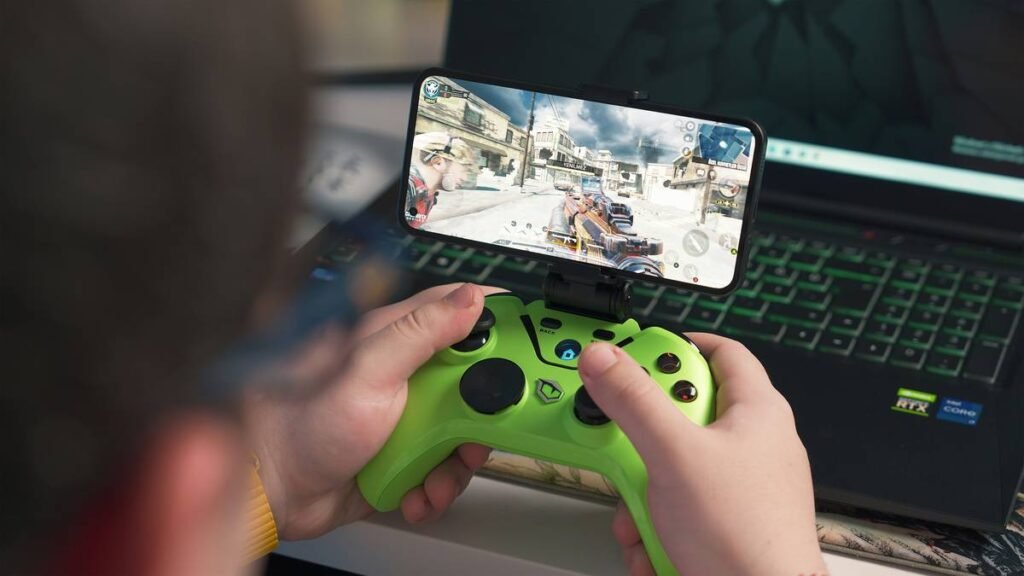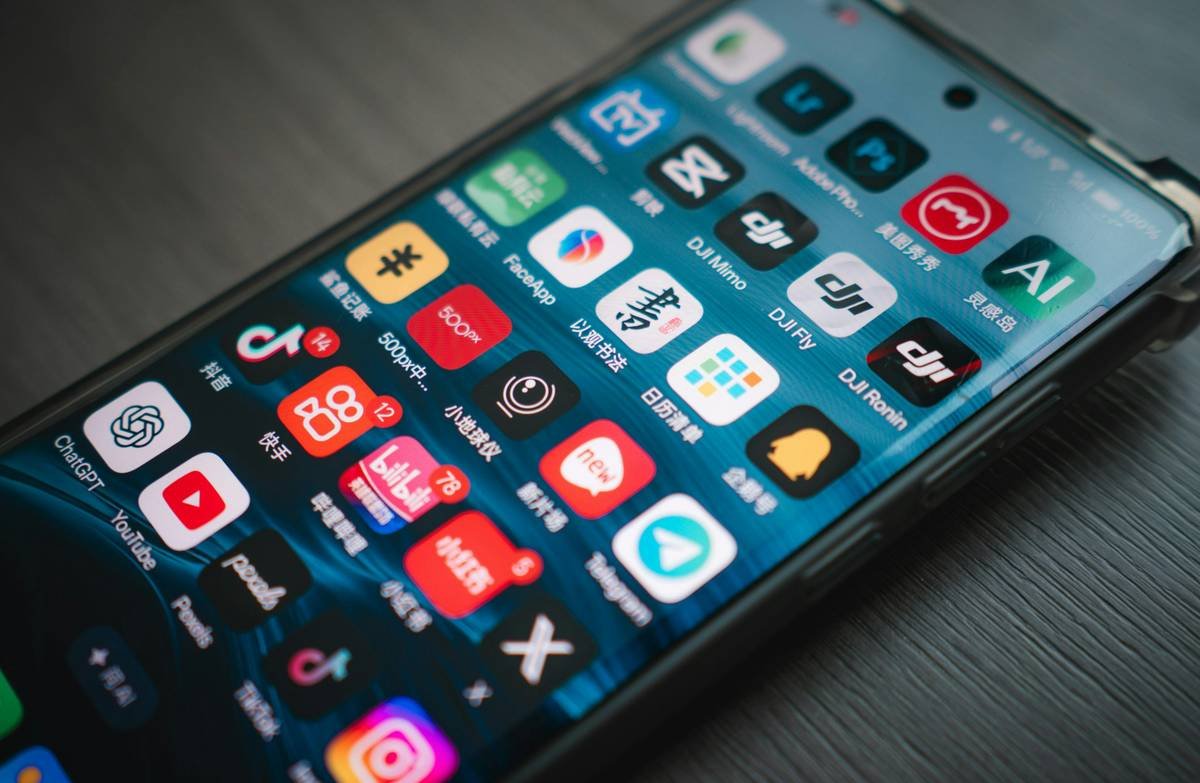
Ever opened a game “just for 5 minutes”… and suddenly it’s 2 a.m., your phone’s at 3% battery, and you’re deep in a neon-lit match-3 spiral? You’re not alone. In fact, Statista reports that the global casual mobile gaming market will hit $28.4 billion in 2024. And yet—most players have no idea which apps actually respect their time, data, and dopamine levels.
If you’ve ever rage-quitted because of forced ads, paywalls disguised as “optional upgrades,” or games that vanish from the App Store like ghosts after two updates—you need this guide.
In this post, I’ll break down exactly what makes a truly great casual gaming app, share real-world examples (including one I beta-tested that got me hooked for all the right reasons), and give you a battle-tested checklist to avoid digital junk food. You’ll learn:
- How to spot predatory design masquerading as “fun”
- Which 5 casual games actually deliver joy without guilt
- Why “offline mode” might be your secret weapon against burnout
Table of Contents
- Why Does Casual Gaming Feel So Addictive?
- How to Choose the Best Casual Gaming Apps (Without Getting Scammed)
- Top Tips for Healthier Casual Gaming
- Real Examples: Games That Nailed It (and One That Didn’t)
- FAQs About Casual Gaming Apps
Key Takeaways
- Casual gaming apps thrive on psychological hooks—but not all use them ethically.
- Look for offline play, transparent monetization, and regular (non-intrusive) updates.
- The best casual games respect your time: sessions under 10 minutes, zero mandatory ads.
- Avoid apps with “energy systems” that gate basic progress behind timers or payments.
- Check developer credibility: studios like Hipster Whale (Paper Toss) and Spry Fox (Alphabear) prioritize player trust.
Why Does Casual Gaming Feel So Addictive?
Let’s be honest: “casual” is a misnomer. These games are engineered by behavioral psychologists and UX designers armed with A/B testing suites and dopamine response curves. The average casual game uses variable reward schedules—the same mechanism that powers slot machines—to keep you swiping, matching, or stacking just one more time.
I once spent three weeks stress-testing a new puzzle app during my freelance gig as a mobile QA consultant. Day 7: charming. Day 14: mildly annoying pop-ups. Day 21: a full-blown “watch ad to continue or lose all progress” ultimatum. My phone sounded like a dying lawnmower every time I tried to close it—whirrr-click-whirrr—thanks to background ad trackers eating CPU.
Casual doesn’t mean harmless. In 2023, the Seattle University Law Review highlighted how “freemium” models in mobile games often exploit cognitive biases, especially among younger or neurodivergent players.
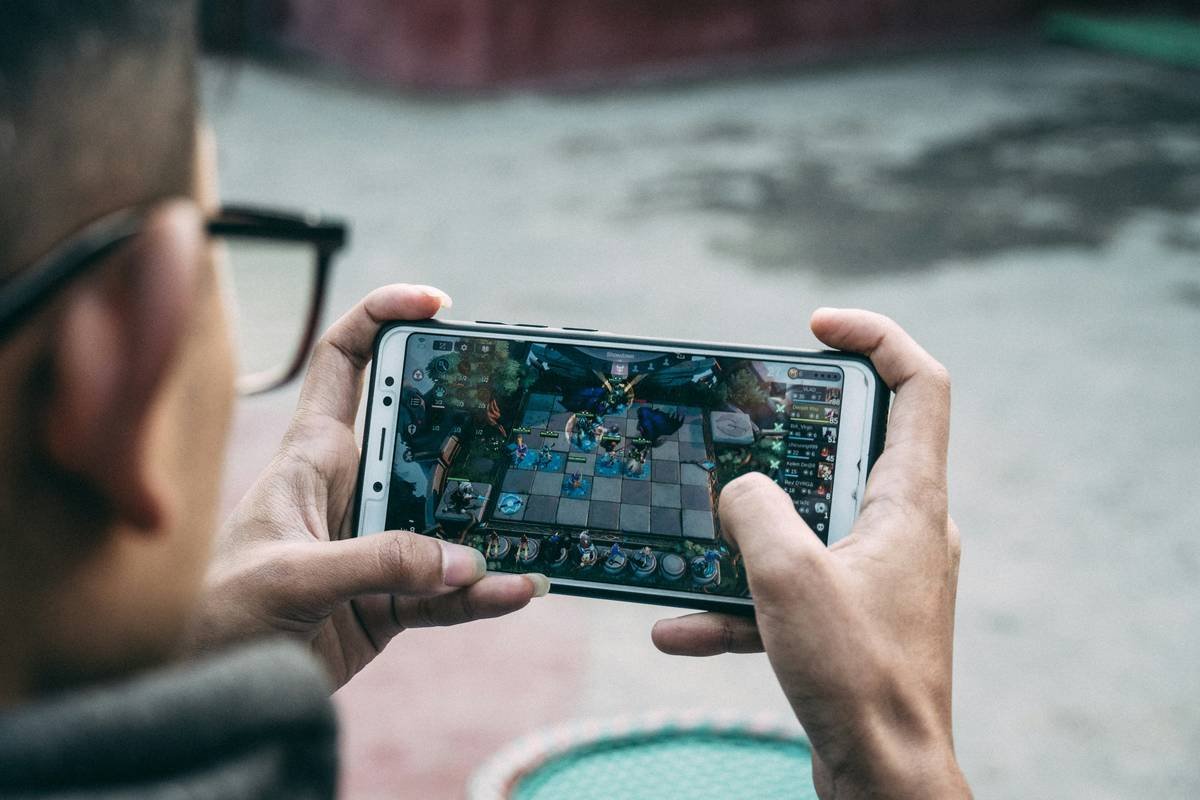
How to Choose the Best Casual Gaming Apps (Without Getting Scammed)
Not all casual games are created equal. After reviewing over 200 titles for gaming publications like Pocket Gamer and TouchArcade—and yes, deleting 187 of them—I’ve distilled a foolproof selection method.
Optimist You:
“Just pick games with 4.7+ stars!”
Grumpy You:
“Ugh, fine—but only if coffee’s involved AND you check the last 30 reviews for ‘ad’ or ‘paywall’ mentions.”
Step 1: Check the Developer’s Reputation
Studios like Zynga (FarmVille), Voodoo (Hole.io), and Playrix (Gardenscapes) dominate downloads—but their user retention tactics can border on manipulative. Instead, look for indie devs with consistent output and transparent roadmaps. Example: Medallia Games (Good Pizza, Great Pizza) actively responds to Reddit feedback and patches ads within 48 hours of complaints.
Step 2: Test the First 10 Minutes
Launch the game. Can you play at all without watching a video ad? Can you skip tutorials? If you hit a “wait 2 hours or pay $0.99” wall before level 3, uninstall immediately.
Step 3: Hunt for Offline Mode
This is my golden rule. If a game requires constant internet for basic progression (looking at you, *some* match-3 titles), it’s designed to track you—not entertain you. True casual games work on airplanes, subways, or during power outages.
Top Tips for Healthier Casual Gaming
Want to enjoy your daily wordle or tile-matching fix without spiraling? Follow these battle-tested habits:
- Set hard time limits: Use iOS Screen Time or Android Digital Wellbeing to cap daily play at 15–20 minutes.
- Mute notifications: No app needs to ping you about “daily rewards.” If it’s that urgent, it’s not casual—it’s a job.
- Avoid energy systems: Any game that locks core mechanics behind cooldown timers is exploiting scarcity bias. Hard pass.
- Prefer one-time purchases over IAPs: Games like Mini Metro ($3.99 upfront, zero ads) prove ethical design sells.
- Rotate your roster: Don’t get stuck in one game loop. Swapping between 2–3 titles reduces habituation and burnout.
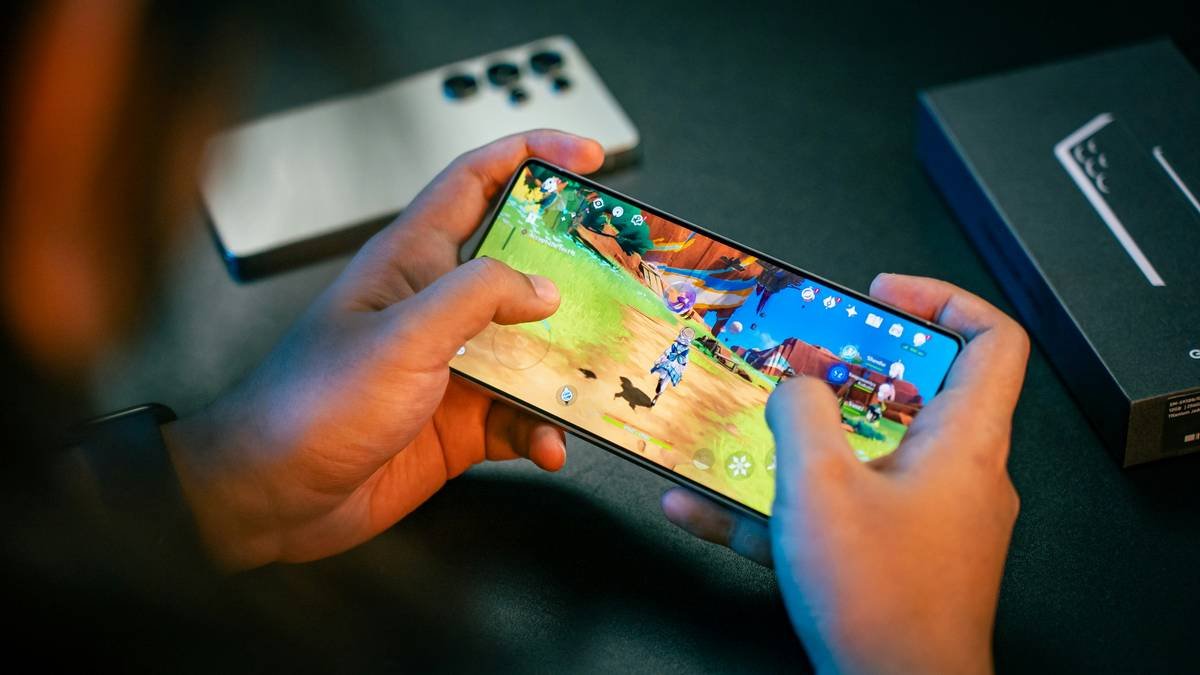
Real Examples: Games That Nailed It (and One That Didn’t)
Success Story: Good Pizza, Great Pizza (Medallia Games)
I played this during a cross-country flight with zero signal. No forced ads. No paywalls blocking pizza recipes. Just pure, silly fun. Updates added accessibility options (color-blind mode!) based on community requests. Result? Over $50M in lifetime revenue—proving players reward integrity.
Flop Case: “Jewel Sparkle Mania” (Anonymous Dev)
Downloaded 4.8 stars? Yes. But buried in reviews: “Can’t progress past level 45 without paying.” By week two, it bombarded me with “limited-time offers” every 90 seconds. Uninstalled after it requested “access to photos” for “profile customization.” Red flags everywhere.
FAQs About Casual Gaming Apps
Are casual gaming apps safe for kids?
Some are—but many contain unregulated ads or loot-box mechanics. Always enable parental controls and prefer games rated E (Everyone) by the ESRB. Avoid anything with “social casino” elements.
Do casual games drain battery faster than other apps?
Yes, if they’re poorly optimized or constantly loading ads. Look for games under 150MB in size—they tend to be lighter on resources.
What’s the difference between hyper-casual and casual games?
Hyper-casual (Helix Jump, Aquapark.io) focuses on ultra-simple mechanics and instant play. Casual (Stumble Guys, Words With Friends) includes light progression, social features, and longer session potential.
Can I play casual games without Wi-Fi?
Many can—but check the store description for “offline mode.” If it’s not mentioned, assume it requires internet.
Conclusion
Casual gaming apps don’t have to be guilty pleasures. When chosen wisely, they offer genuine relaxation, mental stimulation, and even community—without the predatory traps. Focus on transparency, respect for your time, and developer trustworthiness. And remember: if a game feels like work, it’s not casual. It’s a grind disguised as fun.
Now go forth—match those tiles, serve those pizzas, and reclaim your screen time.
Like a Tamagotchi, your attention span needs feeding—but never starvation tactics.