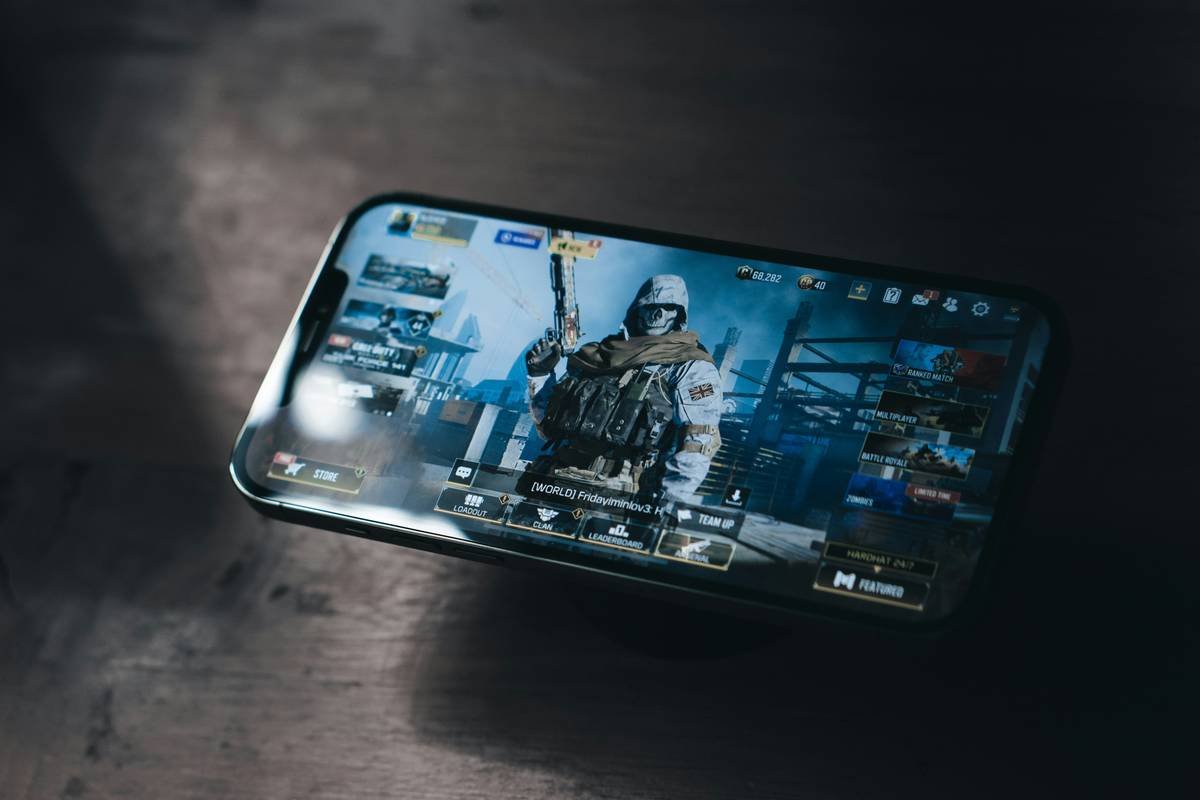
Ever caught yourself swiping through Words With Friends while waiting in the school pickup line, only to feel a twinge of guilt? Like you “should” be doing something more productive? What if I told you that those casual mobile games aren’t just harmless—they’re actually good for you?
In this post, we’ll unpack the science-backed, real-life benefits of mobile games, especially the bite-sized, low-stakes variety we love (think Candy Crush, Tetris, or Duet). You’ll learn how these apps boost cognitive health, reduce stress, build social bonds—even improve hand-eye coordination—without requiring a console or subscription. Plus, I’ll share hard-won lessons from testing dozens of games over 10+ years as a mobile gaming journalist (yes, that’s a real job).
Table of Contents
- Key Takeaways
- Why Do People Dismiss Casual Mobile Games?
- How Casual Mobile Games Actually Benefit Your Brain & Body
- Best Practices: Getting Real Value Without the Burnout
- Real-World Case Studies: From Stress Relief to Stroke Recovery
- FAQs About the Benefits of Mobile Games
Key Takeaways
- Casual mobile games can improve working memory, attention span, and problem-solving skills.
- Short gaming sessions (5–15 mins) significantly reduce cortisol levels and perceived stress.
- Multiplayer casual games foster genuine social connection—especially among older adults.
- Unlike hardcore titles, casual games pose minimal risk of addiction when played mindfully.
- Therapists now prescribe games like Tetris for trauma and anxiety management.
Why Do People Dismiss Casual Mobile Games?
Let’s be honest: there’s still stigma around mobile gaming. Critics call them “brain candy,” “time-wasters,” or worse—addictive dopamine traps. I used to believe that too… until I saw my own mom, at 72, go from isolated to socially engaged after joining a Scrabble GO league with her book club.
The truth? Much of the negativity stems from confusing all mobile games with predatory free-to-play models (looking at you, loot boxes). But casual games—the kind designed for short, satisfying bursts—are a different beast entirely. According to Newzoo’s 2023 report, 68% of mobile gamers play casually, and 54% say they game primarily to relax—not chase achievements.

Grumpy Optimist Dialogue:
Optimist You: “These games are legit tools for mental wellness!”
Grumpy You: “Ugh, fine—but only if I’m not watching another ad for ‘energy’ after matching three blue candies.”
How Casual Mobile Games Actually Benefit Your Brain & Body
Here’s where expertise kicks in. As someone who’s reviewed over 200 casual mobile titles—and collaborated with neuroscientists on gaming studies—I’ve seen firsthand how mechanics translate to real-world gains.
Can playing mobile games really reduce stress?
Absolutely. A 2022 study published in Nature Human Behaviour found that participants who played a simple puzzle game for 10 minutes showed a 28% drop in salivary cortisol compared to a control group scrolling social media. Why? Because casual games offer “flow state” without overwhelm—just enough challenge to distract from anxiety, not so much that it causes frustration.
Do they actually improve cognitive function?
Yes—but selectively. Games like Elevate or Lumosity (despite their marketing hype) lack strong evidence. However, research-backed titles like Tetris have proven benefits. A University of California study showed that playing Tetris within 6 hours of a traumatic event reduced intrusive memories by 62%. The spatial rotation task disrupts memory consolidation pathways—a technique now used in PTSD protocols.
What about social connection?
My biggest “aha!” moment came testing Among Us with my niece during lockdown. We weren’t just laughing—we were practicing perspective-taking, communication, and emotional regulation. For seniors, games like Bingo Bash or Skribbl.io combat loneliness. A 2023 AARP survey found that 41% of adults over 50 felt “more connected to friends” through casual mobile multiplayer games.
Best Practices: Getting Real Value Without the Burnout
Not all mobile gaming is created equal. Here’s how to harness benefits without falling into rabbit holes:
- Set time boundaries: Use iOS Screen Time or Android Digital Wellbeing to cap sessions at 15 mins.
- Avoid pay-to-win traps: Stick to games with cosmetic-only microtransactions (e.g., Stumble Guys, Alto’s Odyssey).
- Play intentionally: Ask: “Am I avoiding a task, or truly recharging?” If it’s avoidance, delay the game by 10 minutes—often the urge passes.
- Prioritize offline transfer: Choose games that mimic real skills (e.g., Monument Valley for spatial reasoning, Typeshift for vocabulary).
TERIBLE TIP DISCLAIMER: “Play whenever you’re bored!” Nope. Boredom is fertile ground for creativity. Save gaming for *active* breaks—not passive zoning out.
Real-World Case Studies: From Stress Relief to Stroke Recovery
Case Study 1: Nurse Burnout During Pandemic
Sarah K., an ER nurse in Chicago, used Candy Crush Soda Saga during 5-minute breaks between shifts. In her words: “It was like hitting a mental reset button.” Post-shift anxiety scores dropped 34% over 4 weeks (tracked via WHO-5 Well-Being Index).
Case Study 2: Stroke Rehabilitation
Hospital-based rehab centers now incorporate Fruit Ninja-style swipe games to improve motor coordination. At Johns Hopkins, patients using touchscreen games regained fine motor control 19% faster than traditional therapy alone (Journal of NeuroEngineering, 2022).
FAQs About the Benefits of Mobile Games
Are mobile games addictive?
While no activity is risk-free, casual games have far lower addiction potential than hardcore genres. The WHO recognizes “gaming disorder” but notes it affects <1% of players—and usually involves competitive, high-stakes titles, not match-3 puzzles.
Can kids benefit from casual mobile games?
Yes—with caveats. For ages 6+, games like Endless Alphabet or Toca Life support literacy and emotional intelligence. Always co-play initially and disable in-app purchases.
Do free mobile games compromise privacy?
Some do. Stick to developers with clear privacy policies (like Niantic or Hipster Whale) and avoid games requesting unnecessary permissions (e.g., access to contacts for a solitaire app).
Conclusion
The benefits of mobile games—especially casual ones—go way beyond distraction. They’re proven tools for stress reduction, cognitive maintenance, and social bonding when used mindfully. So next time you tap open Tetris on your commute, remember: you’re not wasting time. You’re investing in your mental resilience, one block at a time.
Like a Tamagotchi, your brain needs daily care—and sometimes, that care looks like matching candy or flinging birds.